Introduction
Is your stainless steel looking dull or scratched? Polishing stainless steel restores its shine and protects it.Polishing improves appearance, boosts corrosion resistance, and enhances hygiene. However, challenges like scratches and discoloration often arise.
In this post, you’ll learn why polishing matters, common issues, and how to achieve a brilliant, lasting finish.
Comprehensive Step-by-Step Guide to Polishing Stainless Steel
Preparing the stainless steel surface: cleaning and inspection
Before you start polishing stainless steel, cleaning is essential. Use a mild detergent or a specialized stainless steel cleaner to remove grease, dirt, and fingerprints. Rinse thoroughly with distilled water to prevent mineral spots, then dry the surface with a lint-free cloth. Inspect for scratches, dents, or corrosion spots. Minor imperfections can be buffed out, but deeper scratches may require sanding. Proper preparation ensures the polishing compounds work effectively and the final shine is uniform.
Selecting appropriate abrasives for different surface conditions
Choosing the right abrasives depends on the stainless steel’s condition. For heavily scratched or pitted surfaces, start with coarse abrasives such as 120–220 grit sandpaper. For moderately scratched surfaces, medium grit (400–600) works well. Fine abrasives (800–1200 grit) are ideal for smoothing and preparing the surface before polishing. Using the correct grit progression prevents swirl marks and reduces polishing time. Abrasives like aluminum oxide or silicon carbide are common choices for stainless steel polishing.
Techniques for sanding: grit progression and working with the grain
Sanding stainless steel requires patience and proper technique. Always sand with the grain to avoid cross-grain scratches that are difficult to remove. Begin with the coarsest grit needed to level the surface, then progress through finer grits systematically. After each sanding step, clean the surface to remove debris and check for remaining scratches. Keeping the surface wet during sanding can reduce heat buildup, preventing discoloration. This gradual grit progression is one of the best ways to polish stainless steel for a smooth finish.
Choosing and applying polishing compounds effectively
Polishing compounds refine the surface and enhance stainless steel shine. Select compounds based on the stage of polishing:
Coarse compounds (80–220 grit): Remove deep scratches and oxidation.
Medium compounds (400–800 grit): Smooth the surface and prepare for fine polishing.
Fine compounds (1000+ grit): Achieve a mirror-like shine.
Apply a small amount of compound to the polishing wheel or cloth. Avoid overloading, which can cause uneven polishing and heat buildup. Work the compound into the surface with consistent pressure and motion, following the grain direction.

Using hand polishing methods: tools and best practices
Hand polishing is suitable for small areas or delicate parts like stainless steel sinks or cutlery. Use microfiber cloths, soft buffing pads, and appropriate polishing compounds. Apply compounds sparingly and buff in circular or linear motions aligned with the grain. Hand polishing requires patience but offers precise control, especially when using stainless steel polishing kits designed for DIY projects. Always finish with a clean, dry cloth to remove residue and reveal the stainless steel shine.
Machine polishing: equipment selection and operational tips
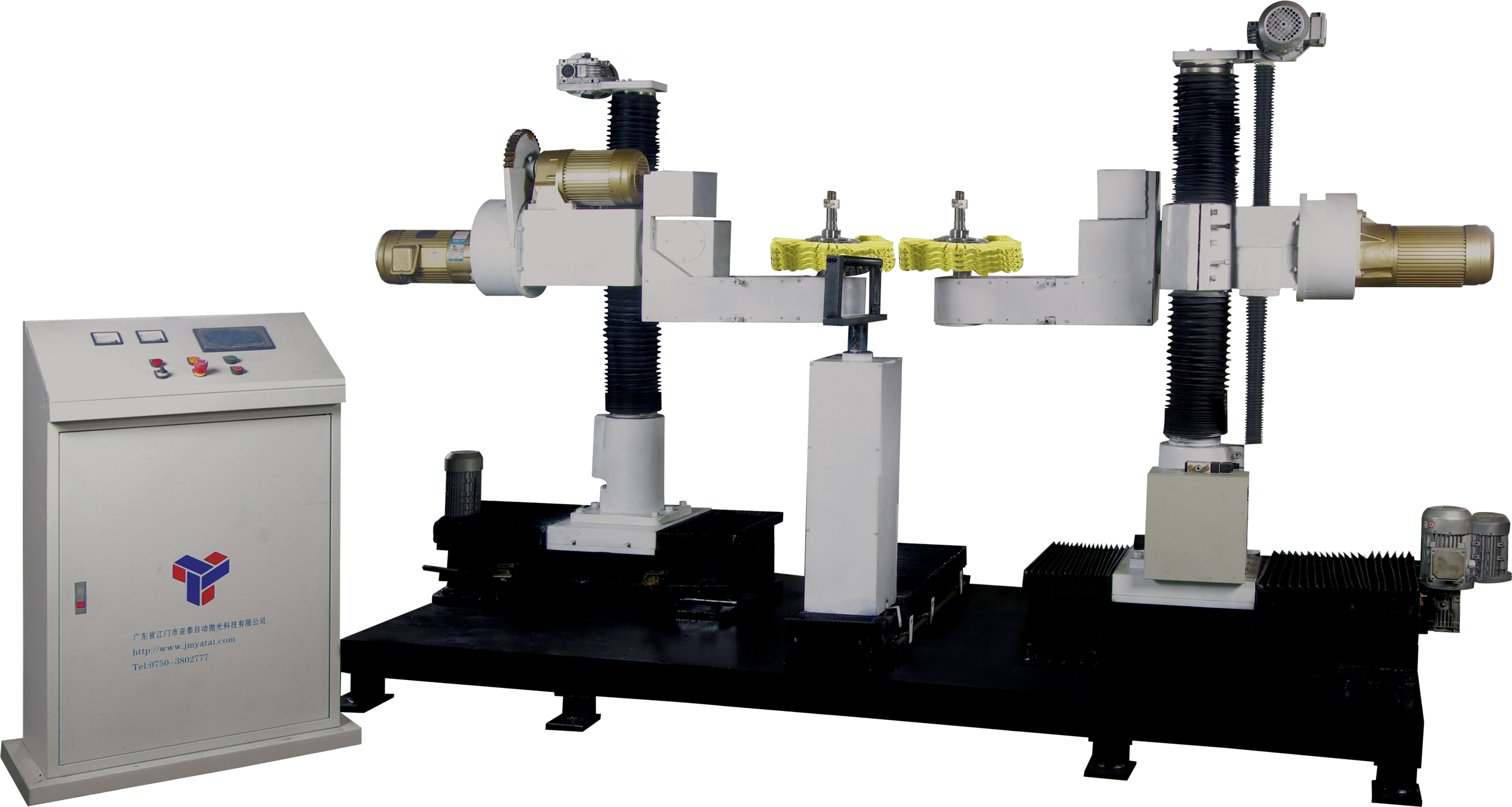
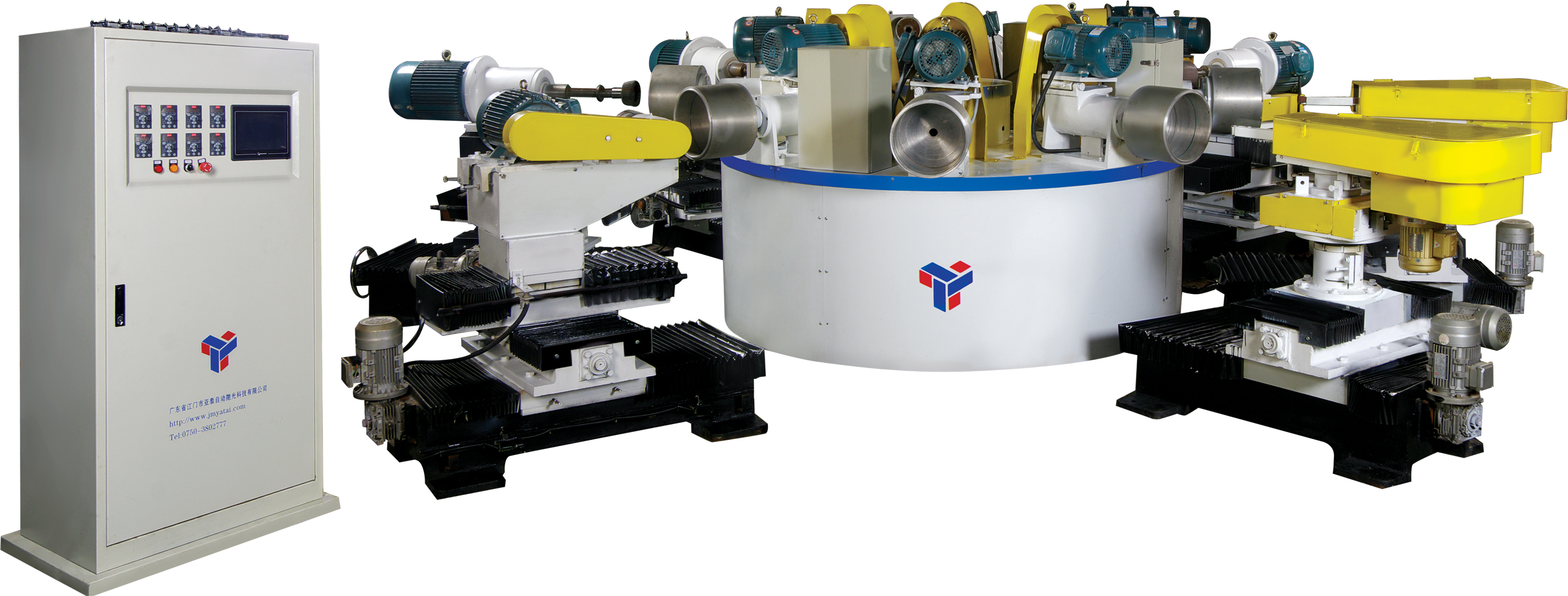
For larger surfaces or professional results, machine polishing is the best way to buff stainless steel. Use a variable-speed electric buffer or grinder with suitable buffing wheels—lamb’s wool, foam, or cotton depending on the finish desired. Start at lower speeds (1500–2000 RPM) to control heat and prevent discoloration. Use a two-step polishing system: first, a cutting wheel with a coarse compound to remove imperfections; second, a softer wheel with a fine compound for shine. Keep the buffer moving to avoid overheating any spot.
Finishing touches: buffing for a mirror-like shine and post-polish cleaning
Buffing is the final step to bring out the stainless steel’s brilliance. Use a clean buffing wheel and fine polishing compound to remove haze and swirl marks. Apply light, even pressure and work systematically across the surface. After buffing, clean the surface with isopropyl alcohol or a stainless steel cleaner to remove compound residues. Dry with a microfiber cloth to reveal a lasting, mirror-like finish. Proper post-polish cleaning preserves the stainless steel shine and prevents corrosion.
Tip: Always progress through abrasive grits gradually and polish with the grain to avoid scratches and achieve the best stainless steel shine.
Types of Stainless Steel Polishing Techniques
When learning how to polish stainless steel, understanding the different polishing techniques is key. Each method suits various project sizes, desired finishes, and precision levels. Let’s explore the main types of stainless steel polishing and when to use them.
Hand polishing: advantages and limitations
Hand polishing is the most straightforward way to clean and polish stainless steel surfaces, especially for small or delicate items like stainless steel sinks or cutlery. It involves using microfiber cloths, soft buffing pads, and polishing compounds applied manually. This method offers precise control, allowing you to work carefully along the grain to avoid scratches.
Advantages:
Great for touch-ups and small areas.
Requires minimal equipment.
Allows detailed work on intricate parts.
Limitations:
Time-consuming for large surfaces.
May produce inconsistent results if not done carefully.
Less effective on deep scratches or heavy oxidation.
Hand polishing is often included in stainless steel polishing kits, making it accessible for DIY enthusiasts aiming for a clean and polished finish.
Machine polishing: tools and when to use them
For larger surfaces or when a consistent, high-quality shine is needed, machine polishing is the best way to buff stainless steel. This method uses electric buffers or grinders fitted with buffing wheels made of lamb’s wool, foam, or cotton.
Key tools:
Variable-speed electric buffer (1500–3500 RPM recommended).
Buffing wheels matched to the polishing compound.
Polishing compounds ranging from coarse to fine grit.
When to use machine polishing:
Polishing stainless steel kitchen appliances, countertops, or architectural elements.
Removing moderate to heavy scratches.
Achieving a mirror finish or gloss finish efficiently.
Machine polishing generates heat, so it’s essential to keep the tool moving steadily to avoid discoloration or surface damage. Using the right buffing wheel and compound combination ensures the best stainless steel shine.
Electrochemical polishing: precision and industrial applications
Electrochemical polishing (ECP) is a high-precision technique used primarily in industrial and medical fields. It involves applying an electric current and chemical solution to the stainless steel surface, which smooths and brightens it by removing a thin layer of metal.
Benefits:
Produces ultra-smooth, mirror-like finishes.
Enhances corrosion resistance.
Ideal for complex shapes and delicate components.
Applications:
While ECP delivers excellent results, it requires specialized equipment and safety precautions, making it less common for DIY or small-scale projects.
Chemical polishing: process overview and safety considerations
Chemical polishing uses acidic solutions to dissolve surface roughness and imperfections on stainless steel. This method can handle complex geometries where mechanical polishing is challenging.
Process:
The stainless steel is immersed in or treated with a chemical bath.
The acid selectively removes micro-roughness, leaving a smooth surface.
Safety considerations:
Requires proper ventilation and protective gear.
Handling acids demands caution to avoid burns or fumes.
Waste disposal must comply with environmental regulations.
Chemical polishing is mostly utilized in industrial settings due to these safety and handling requirements.
Tip: For best results, match your polishing technique to the project size and finish desired—hand polishing for small, intricate areas and machine polishing for larger surfaces or mirror finishes.
Choosing the Right Finish for Your Stainless Steel Project
Selecting the appropriate finish is a crucial step in stainless steel polishing. The finish affects not only the look but also the durability and corrosion resistance of your project. Here, we explore four popular finishes: mirror, brushed, matte, and gloss.
Mirror finish: characteristics, benefits, and applications
A mirror finish is the ultimate in stainless steel shine. It offers a highly reflective, smooth surface free of visible scratches. This finish is often called a #8 finish and is prized for its aesthetic appeal and practical benefits.
Characteristics:
Ultra-smooth, glossy surface
Reflective, almost like glass
Requires progressive sanding and fine polishing compounds
Benefits:
Enhances corrosion resistance by eliminating surface imperfections where rust can form
Makes cleaning easier as dirt and grime have fewer places to stick
Ideal for decorative applications and high-end appliances
Applications:
Achieving a mirror finish involves sanding through increasingly fine grits and polishing with compounds such as cerium oxide or chromium oxide. Buffing stainless steel to a mirror finish often requires machine polishing for the best results.
Brushed finish: style and corrosion considerations
The brushed finish features fine parallel lines that give stainless steel a textured look. Unlike the mirror finish, it has a soft sheen rather than a high gloss.
Characteristics:
Directional grain pattern created by sanding or brushing
Less reflective than mirror finish
Hides fingerprints and minor scratches better
Benefits:
Stylish and modern appearance
Can mask surface imperfections and wear
Easier to maintain in high-traffic or industrial environments
Corrosion considerations:
Brushed finishes may reduce corrosion resistance slightly because the texture can trap moisture and contaminants. Applying a protective coating or regular cleaning with stainless steel cleaners helps mitigate this.
Applications:
Kitchen appliances and backsplashes
Elevator panels and architectural cladding
Automotive trim and hardware
Matte finish: achieving a smooth, low-sheen surface
Matte finishes offer a non-reflective, smooth surface with a low sheen that appeals to modern design sensibilities.
Characteristics:
Benefits:
Minimizes glare and reflections
Hides fingerprints and smudges well
Provides a subtle, understated look
Applications:
Matte finishes are often created using very fine abrasives (600 grit or higher) or chemical treatments that lightly etch the surface. This finish requires less maintenance to keep its uniform look.
Gloss finish: enhancing corrosion resistance and shine
Gloss finishes offer a shiny surface that is less reflective than mirror finishes but brighter than brushed or matte.
Characteristics:
Smooth and shiny, with moderate reflectivity
Highlights the metal's natural luster
Usually achieved by polishing with medium to fine compounds
Benefits:
Improves corrosion resistance by smoothing surface crevices
Offers a bright, attractive appearance
Easier to maintain than mirror finish
Applications:
Gloss finishes balance aesthetics and durability, making them suitable for many commercial and residential applications.
Tip: Choose a finish that balances your project's aesthetic goals with practical needs like corrosion resistance and ease of maintenance to ensure lasting stainless steel shine.

Essential Tools and Materials for Effective Stainless Steel Polishing
Polishing stainless steel to a brilliant shine requires the right tools and materials. Whether you’re aiming to clean and polish a stainless steel sink or buff a large appliance, choosing appropriate supplies ensures efficient work and a lasting finish.
Polishing Compounds: Types and Appropriate Grit Levels
Polishing compounds are abrasive pastes or bars that refine the metal surface and enhance its shine. Selecting the right grit level is key:
Coarse compounds (80–220 grit): Remove deep scratches and heavy oxidation. Ideal for initial cutting stages.
Medium compounds (400–800 grit): Smooth surfaces after coarse polishing. Great for intermediate steps.
Fine compounds (1000+ grit): Create a mirror-like finish by removing fine swirl marks. Perfect for the final shine.
Common abrasives include aluminum oxide, silicon carbide, cerium oxide, and chromium oxide. For stainless steel polishing kits, compounds are often paired with specific buffing wheels for optimal results.
Buffing Wheels and Pads: Selecting Based on Project Size and Finish
Buffing wheels come in various materials and sizes; choosing the right one depends on your project:
| Wheel Type | Material | Best For |
| Lamb’s Wool | Soft, heat-retentive | Final polishing and mirror finishes |
| Foam Pads | Medium softness | Gloss finishes and delicate surfaces |
| Cotton Wheels | Firm and durable | Heavy cutting and initial buffing |
For small projects like stainless steel sink polish, a smaller wheel (3–5 inches) works well. Larger surfaces benefit from 6–8 inch wheels on variable-speed buffers. Always match the buffing wheel with the polishing compound grit to avoid surface damage.
Sanding Discs and Papers: Grit Selection and Usage Tips
Sanding is essential when removing scratches or preparing the surface before polishing. Use a progression of grits to avoid swirl marks:
Start with 120–220 grit for heavy scratch removal.
Move to 400–600 grit for smoothing.
Finish with 800–1200 grit for a fine, uniform surface.
Use sanding discs compatible with your orbital sander or hand sanding blocks. Always sand with the grain to maintain the stainless steel’s natural pattern. Wet sanding helps reduce heat and dust, preventing discoloration.
Safety Equipment: Respirators, Gloves, and Protective Gear
Polishing stainless steel generates dust, debris, and sometimes chemical fumes. Protect yourself with:
Respirators: Use a full-face or half-mask respirator with P100 filters to avoid inhaling fine metal particles.
Gloves: Nitrile or cut-resistant gloves protect hands from abrasives and chemicals.
Eye Protection: Safety goggles shield eyes from flying debris.
Protective Clothing: Long sleeves and aprons prevent skin contact with polishing compounds.
Proper ventilation is crucial, especially when using chemical polishes or working in enclosed spaces.
Troubleshooting Common Stainless Steel Polishing Issues
Polishing stainless steel to a flawless shine can sometimes be tricky. Common issues like persistent scratches, discoloration, or uneven shine often arise. Understanding how to troubleshoot these problems ensures your stainless steel polishing efforts produce a smooth, brilliant finish.
Eliminating Persistent Scratches and Swirl Marks
Scratches and swirl marks usually result from skipping abrasive grit steps or using dull abrasives. To fix this:
Follow a strict grit progression: Start with coarse abrasives to remove deep scratches, then move to finer grits (400, 600, up to 1200 or higher) to smooth the surface.
Use fresh abrasives: Worn sanding discs or polishing compounds lose effectiveness.
Polish with the grain: Always sand and buff in the direction of the stainless steel grain to avoid cross-grain scratches.
Apply consistent pressure: Uneven pressure can cause swirl marks or uneven shine.
If scratches remain, re-sand the affected area with a coarser grit, then refine progressively.
Preventing and Correcting Heat-Induced Discoloration
Heat buildup during polishing can cause blue, rainbow, or brown discoloration, known as tempering. To prevent this:
Use moderate polishing speeds: Keep buffer RPM between 1500 and 2000 for most stainless steel polishing.
Keep the tool moving: Avoid holding the buffer in one spot.
Use water or air cooling: Wet sanding or forced air helps dissipate heat.
Avoid excessive pressure: Let the polishing compound and wheel do the work.
To correct discoloration, lightly sand the affected area with fine grit abrasives, then repolish using careful heat control.
Addressing Surface Waviness and Orange Peel Effect
Surface waviness or an orange peel texture occurs when polishing soft or annealed stainless steel with overly soft wheels or aggressive compounds.
Use semi-rigid or foam buffing wheels for the final polishing stage instead of soft cotton or wool.
Ensure the stainless steel is heat-treated or hardened for better resistance to plastic deformation.
Polish gently to avoid surface distortion.
If waviness appears, resand with finer abrasives and switch to firmer polishing pads.
Avoiding Pitting and Corrosion After Polishing
Pitting or corrosion can develop if polishing residues or contaminants remain on the surface.
Use pH-neutral or mild alkaline polishing compounds to minimize surface damage.
Avoid chlorinated cleaning agents which can cause corrosion.
Rinse thoroughly with deionized or distilled water after polishing.
Dry immediately to prevent electrolyte formation.
Regular cleaning with stainless steel cleaners helps maintain corrosion resistance.
Ensuring Even Shine and Removing Hazy Appearance
Uneven shine or haze often results from inconsistent polishing pressure or leftover compound residue.
Maintain uniform polishing motions: Use steady back-and-forth or orbital movements.
Apply polishing compound sparingly: Overloading causes buildup and haze.
Clean the surface after polishing: Use isopropyl alcohol or specialized stainless steel cleaners to remove residues.
Buff with a clean wheel or cloth to restore clarity.
Consistent technique and proper cleaning reveal the true stainless steel shine.
Maintenance and Care of Polished Stainless Steel Surfaces
Daily cleaning routines to preserve polish
Maintaining the brilliant stainless steel shine starts with daily care. Wipe surfaces regularly using a soft microfiber cloth to remove dust and smudges. For light cleaning, mix mild dish soap with warm water and gently clean the surface. Avoid abrasive sponges or steel wool since they can scratch the polished finish. After cleaning, rinse with distilled water to prevent mineral spots and dry thoroughly with a lint-free cloth. For stainless steel sinks, use dedicated stainless steel sink polish or cleaners designed to remove water spots and fingerprints without damaging the surface. Regular cleaning keeps the polish intact and prevents buildup that dulls the shine.
Long-term protective measures and coatings
To extend the life of your stainless steel polish, apply protective coatings periodically. Products like clear sealants or specialized anti-oxidation sprays form a barrier against moisture, fingerprints, and corrosion. These coatings are especially useful for high-touch areas or outdoor applications exposed to harsh environments. When choosing coatings, select those compatible with stainless steel to avoid discoloration or residue. Additionally, avoid harsh chemicals like bleach or ammonia, which can degrade the polish and cause pitting. Wearing gloves during cleaning prevents oils from your skin transferring onto the surface, helping maintain the stainless steel shine longer.
When and how to repolish stainless steel surfaces
Even with good care, polished stainless steel surfaces may lose luster over time due to scratches, oxidation, or wear. Repolishing is recommended when you notice persistent water spots, dullness, or visible scratches that daily cleaning cannot fix. Begin by cleaning the surface thoroughly. For light wear, hand polishing with a stainless steel polishing kit using fine polishing compounds can restore shine. For deeper scratches or larger areas, machine polishing with appropriate buffing wheels and compounds is the best way to polish stainless steel back to its original brilliance. Always polish following the grain and gradually progress through finer abrasives to avoid new scratches. Finish with buffing to a mirror-like shine.
Natural methods for enhancing shine without damage
If you prefer natural ways to boost stainless steel shine, several gentle methods work well. A paste made from baking soda and water can remove light stains and brighten surfaces; apply it with a soft cloth and buff along the grain. White vinegar diluted with water is effective for dissolving mineral deposits and water spots; spray lightly and wipe clean. Olive oil or mineral oil applied sparingly with a microfiber cloth can add a subtle shine and help repel fingerprints. These natural methods are safe, inexpensive, and avoid harsh chemicals, making them ideal for regular maintenance of stainless steel sinks and appliances.
Conclusion
Mastering stainless steel polishing involves careful surface preparation, selecting proper abrasives, and polishing with the grain. Combining the right tools and techniques ensures a smooth, lasting finish. Patience and consistency are key to achieving the best shine, whether hand or machine polishing. Both DIY enthusiasts and professionals can benefit from following these best practices. Yatai offers high-quality polishing products that deliver excellent results and value, supporting all your stainless steel polishing needs with reliable performance.
FAQ
Q: What is stainless steel polishing and why is it important?
A: Stainless steel polishing is the process of cleaning, sanding, and buffing stainless steel surfaces to remove imperfections and enhance their shine. It improves corrosion resistance, makes cleaning easier, and restores the metal’s natural luster, ensuring a lasting stainless steel shine.
Q: What is the best way to polish stainless steel at home?
A: The best way to polish stainless steel involves cleaning the surface with a mild stainless steel cleaner, sanding with progressively finer abrasives while working with the grain, and applying polishing compounds using either hand polishing or a machine buffer. Using a stainless steel polishing kit can simplify this process.
Q: How do I clean and polish a stainless steel sink effectively?
A: To clean and polish a stainless steel sink, start with a gentle stainless steel cleaner to remove grime. Then, use fine polishing compounds and a soft buffing pad or cloth, following the grain. Finishing with a stainless steel sink polish helps maintain a smooth, shiny surface.
Q: What tools and compounds are recommended for buffing stainless steel to a mirror finish?
A: For polishing stainless steel to a mirror finish, use a variable-speed buffer with lamb’s wool or foam buffing wheels, combined with fine polishing compounds (1000+ grit). This combination removes haze and swirl marks, producing a high-gloss, reflective stainless steel shine.
Q: Why does discoloration occur during stainless steel polishing and how can I prevent it?
A: Discoloration happens due to heat buildup when polishing at high speeds or holding the buffer stationary. To prevent this, keep the buffer moving, use moderate speeds (1500–2000 RPM), and consider wet sanding or air cooling. Proper technique preserves the stainless steel shine without tempering colors.
Q: Are stainless steel polishing kits worth it for DIY projects?
A: Yes, stainless steel polishing kits provide the right combination of compounds, buffing pads, and instructions, making it easier for DIY users to clean and polish stainless steel surfaces effectively, especially for small areas like sinks or appliances.
Q: How often should I repolish stainless steel surfaces to maintain their shine?
A: Repolish stainless steel surfaces when you notice dullness, persistent water spots, or scratches that regular cleaning can’t fix. With proper daily care using stainless steel cleaners and microfiber cloths, repolishing may only be needed annually or as required.