Introduction
Why do some stainless steel surfaces look dull while others shine like a mirror? Stainless Steel Polishing is the key. In this article, you will learn practical tips, useful tools, and simple methods to create a smooth, bright, and lasting finish.
Step-by-Step Guide to Polishing Stainless Steel to a Mirror Finish
Preparing the Surface: Cleaning and Weld Removal
Start by thoroughly cleaning the stainless steel surface. Use warm water and a mild detergent to remove dirt, grease, and contaminants. This step prevents particles from embedding during polishing, which could cause scratches. If your project involves welded stainless steel, level or remove the welds first. Use a coarse abrasive disc or flap disc around 60 to 80 grit to carefully grind down weld beads. For polishing welded stainless steel, this is crucial to achieve a smooth, even base before sanding.
Selecting and Using Abrasives: From Coarse to Fine Grits
Choosing the right abrasives is key to polishing stainless steel to a mirror finish. Start with coarse grit sandpaper, such as 120 grit, to remove heavy scratches or fabrication marks. Gradually move through finer grits: 240, 400, 600, 1200, and up to 2000 grit or higher for the best mirror finish. This progressive sanding and polishing steel to mirror finish removes scratches left by previous grits and refines the surface smoothness.
Sanding Techniques and Direction for Optimal Results
When sanding and polishing stainless steel, pay attention to your sanding direction. Begin sanding in the direction of the original metal grain to blend welds and marks. At each new grit level, change the sanding direction by 90 degrees from the previous step. This cross-grain sanding helps eliminate scratches from earlier abrasives and ensures an even surface. Keep consistent, moderate pressure to avoid uneven finishes or gouges.
Progressive Sanding with Increasing Grit Levels
Progressive sanding is essential in polishing stainless steel to mirror finish. After initial coarse sanding, use finer grits to gradually smooth the surface. For example:
120 grit to remove welds and deep scratches
240 grit to even out the surface
400 to 600 grit for refining
1200 to 2000 grit for smoothing scratches invisible to the naked eye
This gradual refinement creates a flawless base for polishing compounds to work effectively.
Choosing and Applying Polishing Compounds
Polishing compounds are abrasive pastes that enhance the mirror finish. Use compounds like green rouge for the final polishing stage, which brings out a brilliant shine. Apply a small amount to a clean polishing mop or buffing wheel. For polishing stainless steel flatware or tubes, smaller polishing sticks or liquid agents can be useful for detailed areas. Always clean the surface between different compounds to avoid contamination and achieve the best results.
Using Polishing Tools: Manual vs Machine Methods
Polishing stainless steel can be done manually or with machines. Manual polishing allows precision on small or intricate parts, such as polishing stainless steel with a Dremel for tubes or welded joints. Machine polishing, using buffers or polishers with appropriate wheels, is faster and more consistent for larger surfaces. When buffing steel, use appropriate speeds—typically 2000 to 3000 RPM—to avoid overheating, which can cause discoloration or burn marks.
Final Inspection and Touch-ups for a Flawless Mirror Finish
After polishing, inspect the surface under good lighting. Look for any remaining scratches, uneven gloss, or dull spots. If needed, reapply polishing compound and buff those areas gently. Clean the surface thoroughly to remove any residual polishing agents. This final step ensures your stainless steel polishing project has a clear, mirror-like finish that’s smooth and reflective.

Types of Abrasives and Polishing Agents for Stainless Steel Polishing
Achieving a flawless mirror finish on stainless steel requires the right combination of abrasives and polishing agents. Each type plays a unique role in smoothing and refining the surface, so understanding their uses will help you polish stainless steel effectively.
Overview of Sandpaper Grits and Their Uses
Sandpaper grit determines how coarse or fine the abrasive is. For polishing stainless steel to mirror finish, you’ll typically progress through these grit levels:
Coarse grits (60–120): Remove welds, heavy scratches, and surface imperfections. Essential for initial leveling, especially when polishing welded stainless steel.
Medium grits (240–600): Smooth out sanding marks and refine the surface. These grits help transition from rough grinding to fine polishing.
Fine grits (800–2000+): Prepare the surface for polishing compounds by removing tiny scratches invisible to the naked eye. Using 1200 to 2000 grit is common for polishing 304 stainless and other grades to a mirror finish.
Using the right grit progression is the best way to polish stainless steel because it gradually eliminates scratches from previous steps, ensuring a smooth, reflective surface.
Polishing Pastes and Compounds: Selection and Application
Polishing pastes, often called polishing compounds, contain fine abrasives suspended in a paste or wax base. They enhance the mirror finish by removing microscopic surface imperfections. Common compounds include:
Green rouge: Ideal for the final polishing stage, providing a brilliant shine.
Brown tripoli: Used for intermediate polishing to improve surface color and smoothness.
Black cutting compound: For initial cut polishing, removing fine scratches before color buffing.
Apply these compounds sparingly on a clean polishing mop or buffing wheel. For polishing stainless steel flatware or tubes, smaller polishing sticks infused with these compounds help reach detailed areas.
Liquid Polishing Agents and Their Benefits
Liquid polishing agents are easy to apply and spread evenly. They are especially useful for machine polishing, helping reduce friction and heat buildup. Benefits include:
Quick application and drying.
Ability to clean residual polishing agents during the process.
Suitable for maintaining mirror finishes on polished stainless steel.
They complement solid and paste compounds well and are often used as a finishing step.
Solid Polishing Sticks for Detail Work
Solid polishing sticks are compact, abrasive bars perfect for small or intricate areas like weld joints or stainless steel tubes. They provide controlled abrasion and are excellent for touch-ups or polishing scratches in stainless steel without affecting surrounding surfaces.
How to Combine Abrasives and Polishing Agents Effectively
To polish stainless steel to a mirror finish successfully, combine abrasives and polishing agents in a progressive workflow:
Start with coarse sandpaper to level the surface and remove welds or deep scratches.
Move through medium to fine grits to smooth the surface and prepare it for polishing.
Apply cutting compounds with a buffing wheel to remove fine abrasions.
Use color polishing compounds to enhance gloss and achieve a mirror-like shine.
Finish with liquid polishing agents for cleaning and maintaining the surface.
Remember to clean the surface and polishing tools thoroughly between each stage to avoid contamination and scratching.
Equipment and Tools for Effective Stainless Steel Polishing
Polishing stainless steel to a mirror finish requires the right equipment and tools. Whether you’re sanding and polishing stainless steel flatware or buffing welded stainless steel, choosing suitable tools makes the process smoother and the results more consistent.
Manual Polishing Tools: Mops, Cloths, and Pads
Manual polishing is ideal for detailed work like polishing stainless steel tubes or small welded joints. Common tools include:
Polishing mops: Soft cotton or wool mops help apply polishing compounds evenly.
Microfiber cloths: Perfect for hand polishing and wiping off residues.
Polishing pads: Non-woven pads or foam pads can be used with hand polishers or drills.
Using manual tools allows precision, especially when buffing scratches in stainless steel or working on intricate shapes.
Power Tools: Sanders, Buffers, and Polishing Machines
For larger surfaces or when polishing 304 stainless steel sheets, power tools are more efficient. Common power tools include:
Orbital sanders: Useful for sanding and smoothing with various grit sandpapers.
Rotary buffers: Equipped with buffing wheels, they apply polishing compounds to achieve a mirror finish.
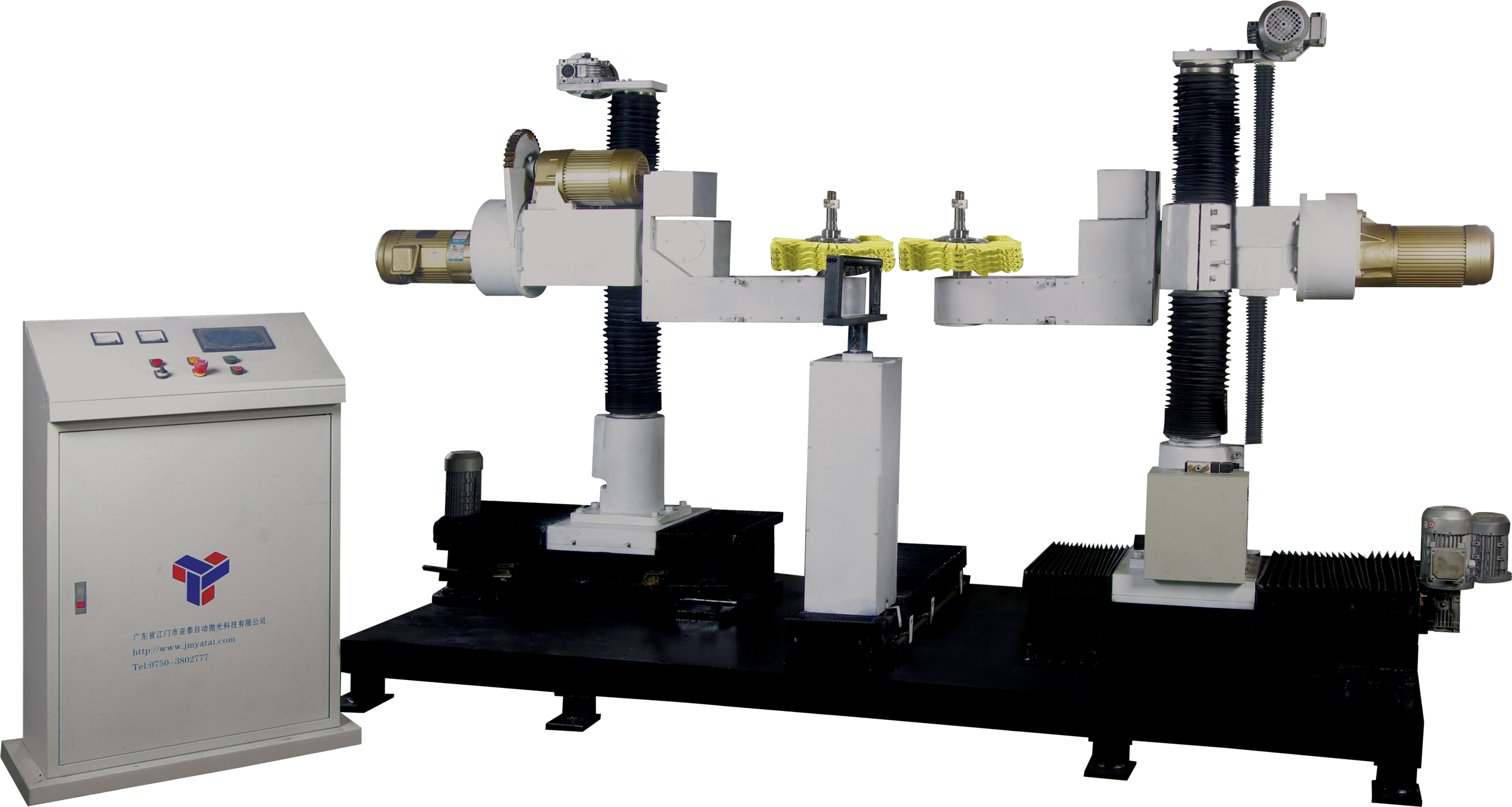
Polishing machines: Specialized machines designed for stainless steel polishing can range from handheld units to large automated systems.
When buffing steel, using the right speed (usually 2000 to 3000 RPM) prevents overheating and burn marks.
Choosing the Right Polishing Machine for Your Project
Selecting the appropriate polishing machine depends on your project size and complexity:
| Project Type | Recommended Machine | Notes |
| Small parts, tubes | Handheld rotary polisher or Dremel | Allows detailed polishing |
| Medium surfaces | Orbital or rotary buffer | Balances speed and control |
| Large panels or sheets | Automated polishing machine | Provides uniform and fast results |
For polishing stainless steel flatware or welded stainless steel, smaller machines or manual methods may be preferable to avoid damage.
Maintenance and Care of Polishing Equipment
Proper care extends the life of your tools and ensures consistent polishing quality:
Clean polishing mops and pads after each use to remove compound buildup.
Replace worn abrasives and buffing wheels to maintain cutting efficiency.
Regularly inspect power tools for wear and overheating signs.
Store tools in a dry, dust-free environment to prevent contamination.
Consistent maintenance helps avoid scratches or uneven finishes caused by degraded equipment.
Addressing Common Challenges in Stainless Steel Polishing
Polishing stainless steel to a mirror finish is a rewarding process, but it comes with challenges. Understanding how to prevent and fix common issues will help you achieve the best results when polishing stainless steel, whether you’re working on flatware, tubes, or welded surfaces.
Preventing and Managing Overheating During Polishing
Overheating is a frequent problem when buffing stainless steel. Excessive heat can cause discoloration, warping, or burn marks, which ruin the mirror finish. To prevent overheating:
Use moderate polishing speeds, typically between 2000 and 3000 RPM.
Apply light to medium pressure—don’t force the tool into the surface.
Keep polishing tools and abrasives clean to reduce friction.
Use coolant sprays or lubricants to dissipate heat during machine polishing.
Take breaks during polishing to let the metal cool down.
If overheating occurs, stop immediately and let the surface cool. You may need to sand and polish again to remove any heat damage.

Techniques to Remove Fine Scratches
Fine scratches can show up even after careful sanding and polishing. To remove them:
Use progressively finer grit sandpapers, moving up to 2000 grit or higher.
Sand at 90 degrees to the previous scratch direction for even scratch removal.
Apply a cutting polishing compound with a buffing wheel to smooth out microscopic abrasions.
For small or detailed areas, use solid polishing sticks or a Dremel with fine abrasive attachments.
Consistent, gentle polishing will gradually erase fine scratches and restore a smooth, reflective surface.
Dealing with Uneven Surfaces and Gloss Issues
Uneven gloss or surface texture can result from inconsistent pressure or polishing direction. To fix this:
Maintain steady, even pressure when sanding and buffing.
Change sanding direction by 90 degrees at each grit level to blend scratches.
Re-sand problem areas with finer grit abrasives to even out the surface.
Use a clean polishing mop and apply compounds evenly to avoid patchy gloss.
Regularly inspect your work under good lighting to catch uneven spots early.
Avoiding and Removing Burn Marks
Burn marks appear as dark discolorations caused by excessive heat. To avoid them:
Control polishing speed and pressure carefully.
Use abrasive discs or sandpaper with cooling properties to reduce heat buildup.
Employ coolant sprays during machine polishing.
If burn marks form, lightly sand the affected area with fine grit abrasives, then repolish with the appropriate compound and buffing wheel.
Cleaning Residual Polishing Agents for a Clear Finish
After polishing, residues from compounds can dull the finish or attract dirt. To clean:
Wipe the surface with a soft microfiber cloth.
Use warm water and a mild detergent to remove stubborn residues.
Rinse thoroughly and dry with a clean cloth to prevent water spots.
For best results, apply a stainless steel cleaner or protective agent to maintain shine.
Removing all residues ensures your mirror finish stays clear and brilliant.
Tip: To avoid overheating and burn marks while buffing stainless steel, always polish at moderate speeds and use coolant sprays or lubricants when possible to keep the metal cool.
Maintenance and Care for Mirror Polished Stainless Steel
Maintaining the flawless mirror finish on stainless steel requires regular care and attention. Proper daily cleaning, protective treatments, and routine inspections help preserve the surface’s shine and prevent damage such as oxidation or scratches. Whether you’re caring for polished stainless steel flatware, tubes, or welded components, these maintenance tips ensure your mirror finish stays brilliant for years.
Daily Cleaning Tips to Preserve the Mirror Finish
Daily cleaning is essential to keep polished stainless steel looking its best. Use a soft microfiber cloth and warm water mixed with a mild detergent to gently wipe the surface. This removes fingerprints, dust, and light grime without scratching. Avoid abrasive sponges or steel wool, as they can dull the finish or cause polishing scratches in stainless steel.
For stubborn spots, apply a small amount of stainless steel cleaner or polish designed for mirror finishes. Always wipe in the direction of the metal grain to maintain uniformity. Dry the surface thoroughly after cleaning to prevent water spots.
Protective Treatments to Prevent Oxidation and Scratches
Applying a protective coating or treatment enhances corrosion resistance and guards against minor scratches. Specialized stainless steel protective sprays or waxes create a thin barrier that repels moisture and contaminants. This is especially important for mirror polished stainless steel exposed to humid or coastal environments, where oxidation risk is higher.
In addition, using felt pads or soft liners under polished stainless steel flatware or equipment prevents surface marring during handling or storage. Regularly reapplying protective treatments after cleaning helps maintain the surface integrity.
Recommended Cleaning Agents for Polished Stainless Steel
Choose cleaning products formulated specifically for mirror polished stainless steel. Avoid cleaners containing chlorine, bleach, or abrasive chemicals that can damage the surface. Mild dish soap solutions, commercial stainless steel polishes, or liquid polishing agents work well.
When selecting a product, check that it is safe for use on 304 stainless steel or other grades you are maintaining. Test any new cleaner on a small, inconspicuous area first. Using the right cleaning agents preserves the mirror finish and extends the time between polishing sessions.
Routine Inspection and Repair of Surface Imperfections
Regularly inspect your mirror polished stainless steel for any signs of scratches, oxidation, or dull spots. Early detection allows you to address imperfections before they worsen. Light scratches can often be buffed out using fine polishing sticks or a Dremel with appropriate polishing attachments.
For welded stainless steel or tubes, pay attention to weld areas where corrosion or damage may appear first. If oxidation occurs, clean the area promptly and consider applying a fresh protective treatment. Routine maintenance minimizes the need for extensive sanding and polishing, saving time and effort.
Alternative Stainless Steel Finishes: Matte and Brushed Effects
Differences Between Mirror, Matte, and Brushed Finishes
When it comes to stainless steel polishing, the finish you choose dramatically affects both appearance and function. A mirror finish offers a highly reflective, glass-like surface that shines brilliantly and highlights the metal’s natural beauty. This finish is perfect for applications where aesthetics and corrosion resistance are priorities, such as architectural details or high-end flatware.
In contrast, a matte finish is duller and less reflective. It has a soft, even texture that hides fingerprints and minor scratches better than a mirror finish. Matte finishes usually result from light sanding or polishing with medium grit abrasives, providing a subtle sheen without the high gloss.
Brushed finishes sit between these two extremes. They feature fine, linear scratches that create a textured, satin look. This finish reduces glare and reflections, making it popular for kitchen appliances and automotive trim. Unlike mirror finishes, brushed surfaces show directional grain patterns, which must be consistent for a professional look.
| Finish Type | Appearance | Reflectivity | Scratch Visibility | Common Uses |
| Mirror | Highly reflective, glossy | Very high | Shows scratches | Decorative panels, flatware |
| Matte | Dull, soft sheen | Low | Hides scratches | Industrial parts, sinks |
| Brushed | Satin, linear grain texture | Medium | Shows directional grain | Appliances, automotive trim |
Steps to Achieve a Matte Finish
Achieving a matte finish is simpler and less time-consuming than polishing stainless steel to a mirror finish. Here’s how to do it:
Start with coarse sanding: Use 240 grit sandpaper or abrasive pads to remove surface imperfections and create a uniform texture.
Refine with medium grit: Progress to 300 or 400 grit to smooth the surface further and reduce sanding marks.
Sand with consistent direction: Always sand in the same direction to maintain an even matte texture.
Clean the surface thoroughly: Remove dust and debris before applying any protective treatments.
This process leaves a low-gloss, non-reflective finish that’s practical and attractive.
Creating a Brushed Surface: Techniques and Tools
To create a brushed finish, the key is controlled abrasion that produces uniform, parallel lines on the stainless steel surface. Follow these steps:
Choose the right abrasive: Use coated sanding belts or abrasive pads in the 150 to 240 grit range. Medium to very fine non-woven abrasive belts or discs also work well.
Maintain consistent direction: Sand or brush the surface in one direction only. This sets the grain pattern and avoids a patchy look.
Use appropriate tools: Orbital sanders, belt sanders, or hand sanding blocks can be used depending on the project size. For polishing stainless steel tubes or small parts, a Dremel with abrasive attachments is effective.
Apply moderate pressure: Avoid heavy pressure that can gouge the surface or create uneven textures.
Finish with a light buff: Optionally, use a light buffing to smooth rough edges while preserving the brushed effect.
Advantages and Considerations for Brushed Finishes
Brushed stainless steel finishes offer several benefits:
Reduced glare: The satin texture diffuses light, making it easier on the eyes in bright environments.
Hides fingerprints and scratches: The linear grain pattern masks minor wear better than mirror finishes.
Aesthetic versatility: It complements modern and industrial designs well.
However, brushed finishes may slightly reduce corrosion resistance compared to mirror finishes. The abrasion process creates tiny grooves where moisture can collect. Applying a rust-resistant coating or protective treatment is advisable for outdoor or humid environments.
Conclusion
Achieving a perfect mirror finish on stainless steel requires careful cleaning, progressive sanding, and proper polishing techniques. Patience and attention to detail ensure smooth, reflective surfaces without scratches or burn marks. Maintaining the finish with regular cleaning and protective treatments extends its brilliance and durability. By following best practices, you can enjoy long-lasting, flawless results. Yatai offers high-quality products and expert services that support every step of this polishing process, delivering exceptional value and superior finishes.
FAQ
Q: What is stainless steel polishing and why is it important for achieving a mirror finish?
A: Stainless steel polishing is the process of sanding and buffing the metal surface to remove scratches and imperfections, resulting in a smooth, reflective mirror finish. Proper stainless steel polishing enhances corrosion resistance and aesthetic appeal, making it essential for applications like flatware, tubes, and welded surfaces.
Q: How do I polish stainless steel to a mirror finish effectively?
A: The best way to polish stainless steel to a mirror finish involves progressive sanding from coarse to fine grits (120 to 2000+), followed by applying polishing compounds like green rouge with a buffing wheel or polishing sticks. Using the right abrasives and maintaining consistent sanding directions ensures a flawless, reflective surface.
Q: Can I polish welded stainless steel to a mirror finish?
A: Yes, polishing welded stainless steel requires first grinding down weld beads with coarse abrasives (60-80 grit), then sanding progressively through finer grits before applying polishing compounds. This process smooths welds and blends them seamlessly into the surrounding surface for a mirror finish.
Q: Is polishing stainless steel with a Dremel a good method?
A: Polishing stainless steel with a Dremel is ideal for small or intricate areas like tubes and welds. Using fine abrasive attachments and polishing sticks allows precise control, helping remove scratches and achieve a mirror finish in detailed spots that are difficult to reach with larger tools.
Q: How can I avoid scratches and overheating during stainless steel polishing?
A: To prevent scratches and overheating when buffing stainless steel, use progressively finer abrasives, maintain moderate polishing speeds (2000-3000 RPM), apply light pressure, and clean polishing tools regularly. Using coolant sprays can also help dissipate heat and avoid discoloration or burn marks.
Q: What tools are best for buffing stainless steel to a mirror finish?
A: The best way to buff stainless steel involves using rotary buffers or polishing machines with clean cotton or wool mops, combined with appropriate polishing compounds. For smaller projects, manual polishing pads or a Dremel with polishing attachments work well to achieve a high-gloss mirror finish.