Introduction
Why do some stainless steel surfaces look dull while others shine like a mirror? Stainless Steel Polishing is the key. In this article, you will learn practical tips, useful tools, and simple methods to create a smooth, bright, and lasting finish.
Essential Tips for Effective Stainless Steel Polishing
Understanding Stainless Steel Types and Their Polishing Needs
Stainless steel comes in several types, each with unique polishing requirements. Austenitic stainless steel, common in appliances and sinks, is soft and malleable, making it easier to polish but sensitive to heat buildup. Ferritic and martensitic steels are harder and require more aggressive abrasives but resist heat better. Knowing your stainless steel type helps select the right abrasives and polishing methods to avoid damage like discoloration or warping.
Choosing the Right Abrasives and Polishing Tools
Selecting proper abrasives is key for successful stainless steel polishing. Start with coarser grits (around 60–80) to remove scratches or weld marks, then progress to finer grits (up to 1200 or more) for a smooth finish. Tools include sanding belts, flap wheels, and polishing discs made from materials like sisal or cotton. For detailed work, polishing stainless steel with a Dremel using specialized polishing kits can be effective. Always match abrasives and tools to the surface condition and desired finish.
Stepwise Grit Progression for Optimal Results
A gradual progression through finer grits prevents deep scratches and achieves a uniform surface. For example:
Begin with 60 or 80 grit to remove major imperfections.
Move to 180 or 240 grit to blend surfaces.
Finish with 400 to 1200 grit for a satin or mirror finish.
Changing sanding direction by 90 degrees at each step helps reduce visible scratches. This approach is especially important when polishing stainless steel appliances or sinks to maintain consistent grain and shine.

Controlling Pressure and Speed During Polishing
Applying consistent, moderate pressure ensures even material removal without overheating. Excessive pressure or high speeds generate heat, risking burn marks or surface distortion. For polishing stainless steel to mirror finish, keep speeds moderate and avoid lingering in one spot. Buffing stainless steel with too much force can cause uneven gloss and scratches, so patience is essential.
Maintaining Consistent Grain Direction
Polishing should always follow the grain direction of the stainless steel surface. This preserves the natural texture and prevents cross-grain scratches that can dull the finish. For brushed finishes, maintain parallel strokes; for mirror finishes, use circular or cross passes carefully to avoid disrupting the grain pattern.
Preventing and Managing Surface Overheating
Heat buildup during polishing can cause discoloration and warping. To prevent this:
Use lower speeds and lighter pressure.
Employ polishing machines with cooling features or pause frequently.
Clean polishing discs regularly to avoid friction from embedded abrasives.
If overheating occurs, allow the surface to cool before continuing. Using stainless steel cleaners after polishing can also help restore the surface.
Cleaning and Preparing Surfaces Between Steps
Between polishing stages, clean the surface thoroughly to remove abrasive residues. Use a soft cloth and appropriate stainless steel cleaners or mild solvents. This prevents contamination of finer abrasives, which can cause scratches. For stainless steel sink polish or appliance surfaces, keeping the workspace clean ensures a flawless final shine.
Step-by-Step Stainless Steel Polishing Process
Surface Preparation and Initial Grinding
The foundation of effective stainless steel polishing is thorough surface preparation. Begin by cleaning the surface with a stainless steel cleaner to remove dirt, grease, and residues. This step ensures abrasives work efficiently without contamination.
Next, address any deep scratches or weld marks with initial grinding. Use coarse abrasives like 60 to 80 grit sandpaper or sanding belts. For polishing scratches in stainless steel, this stage removes major imperfections and sets the stage for finer polishing. Always sand in consistent strokes, following the grain direction to prevent cross-grain scratches.
For stainless steel appliances and sinks, initial grinding must be gentle yet thorough to avoid warping thin sheets. If using power tools, control speed and pressure carefully to prevent overheating.
Intermediate Polishing Techniques
After initial grinding, move to intermediate polishing. Progress through finer grits such as 180, 240, and 400. This step blends the surface smoothly, removing sanding marks from earlier stages. Change sanding direction by 90 degrees with each grit to minimize visible scratches.
Use polishing discs made of sisal or cotton for this phase. For detailed areas or edges, consider polishing stainless steel with a Dremel using appropriate stainless steel polishing kits. This approach helps maintain consistent grain and prepares the surface for high-gloss finishes.
Between each grit, clean the surface with a soft cloth and stainless steel cleaner to remove abrasive particles. This prevents contamination that could cause scratches during finer polishing.
Achieving High-Gloss and Mirror Finishes
To reach a mirror finish, continue polishing with ultra-fine abrasives, such as 600 to 1200 grit sandpaper or polishing compounds. Use polishing pastes designed for stainless steel shine, applying them with soft cotton buffing wheels or felt sleeves.
Polishing stainless steel to mirror finish requires patience and precision. Use moderate speed and light pressure to avoid heat buildup, which can discolor or warp the surface. Buffing stainless steel in multiple directions helps achieve uniform gloss.
For the final touch, apply a super-fine polishing compound and buff in a single direction following the grain. This step enhances the luster and removes any remaining micro-scratches.
Final Surface Inspection and Touch-Ups
Once polishing is complete, inspect the surface under good lighting. Look for uneven gloss, remaining scratches, or burn marks. If imperfections persist, repeat polishing steps on affected areas using finer abrasives or polishing compounds.
Remove any residues from polishing agents with a suitable stainless steel cleaner. For stainless steel sink polish or appliances, ensure all cleaning products are safe and non-abrasive.
Regular inspection and touch-ups extend the lifespan of polished surfaces and maintain their aesthetic appeal.
Selecting and Using Polishing Machines and Equipment
Manual vs. Automatic Polishing Machines
When choosing between manual and automatic polishing machines for stainless steel polishing, consider the project size and precision required. Manual machines offer excellent control for detailed work, such as polishing scratches in stainless steel or small appliance parts. They are ideal for buffing stainless steel in tight spaces or for touch-ups using stainless steel polishing kits. However, manual polishing demands more skill and time.
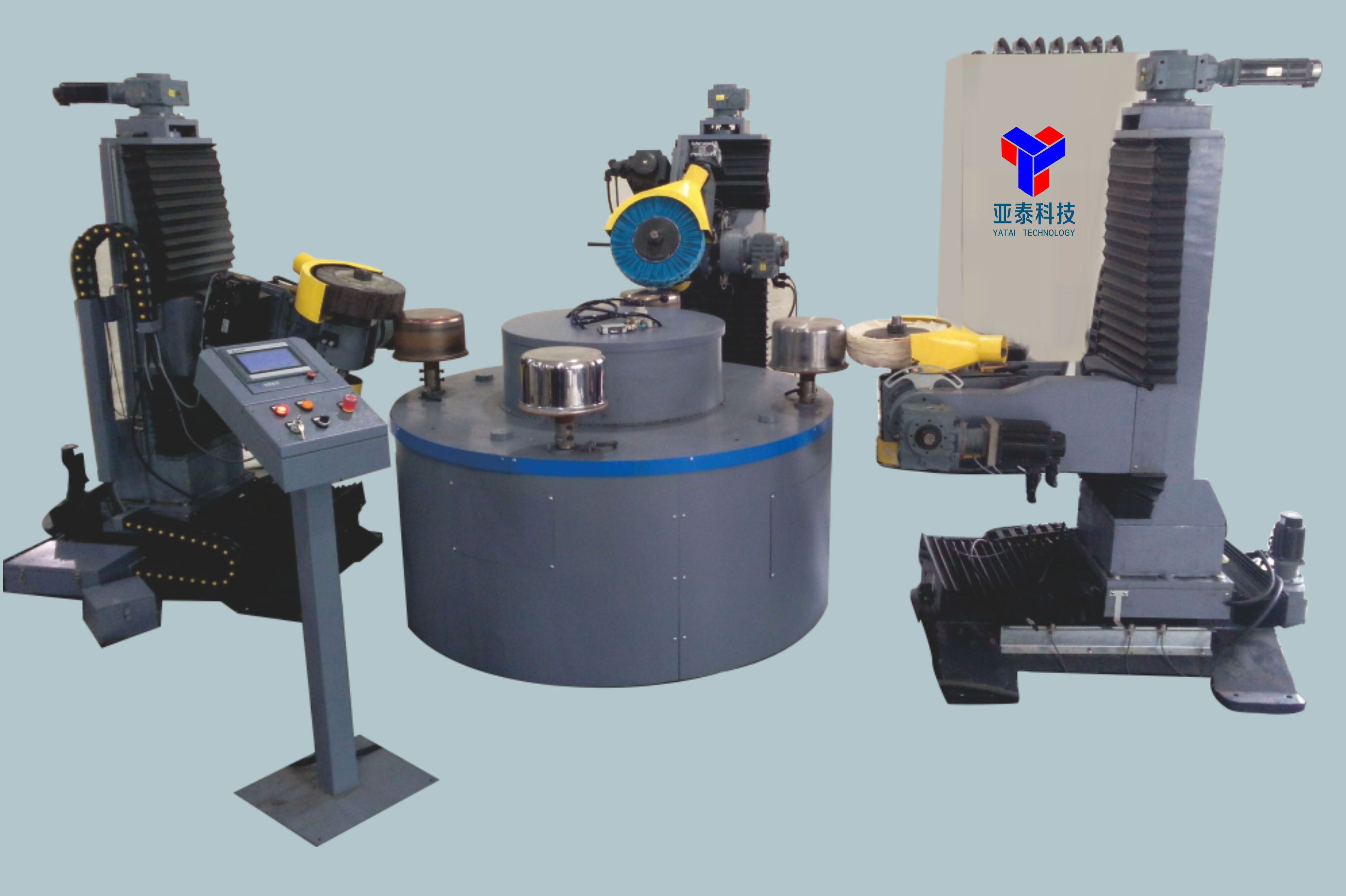
Automatic polishing machines, on the other hand, excel in handling larger surfaces like stainless steel sinks or appliance panels. These machines provide consistent pressure and speed, ensuring uniform stainless steel shine across broad areas. For polishing stainless steel to mirror finish, automatic machines reduce operator fatigue and improve efficiency. They often feature adjustable speed controls to prevent surface overheating.
Specialized Machines for Round and Complex Surfaces
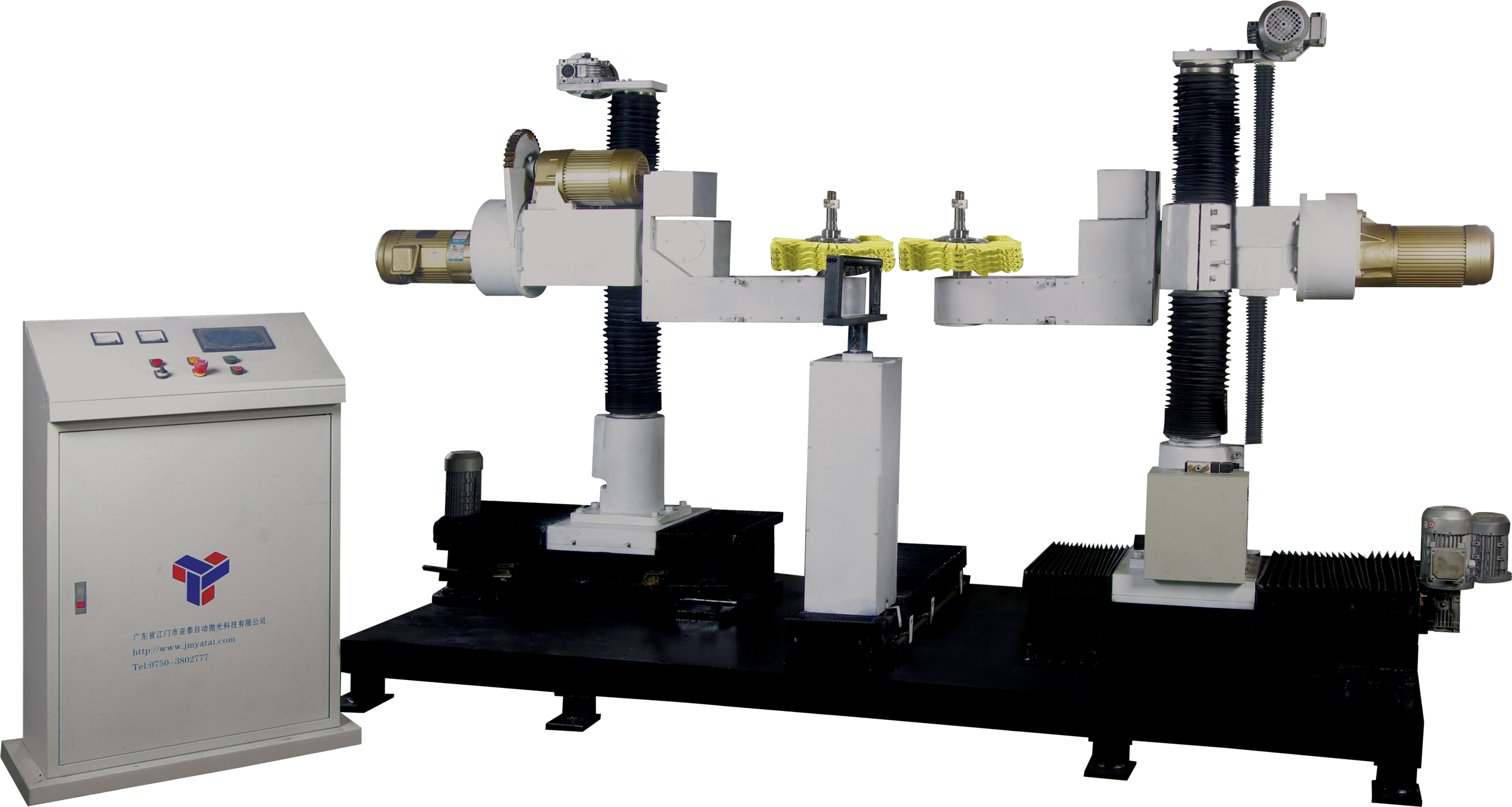
Polishing round or complex shapes requires specialized equipment. Machines like the PIPE-MAX pipe polishing machine or rotary polishing machines such as the VARILEX are designed to handle cylindrical or irregular stainless steel components. These machines accommodate various abrasive belts and polishing discs, enabling consistent grain direction and finish quality.
For intricate detail work, handheld rotary tools like a Dremel fitted with stainless steel polishing kits allow precise buffing stainless steel in hard-to-reach spots. Using the right machine tailored to the surface geometry minimizes the risk of uneven gloss or polishing scratches in stainless steel.
Polishing Accessories and Consumables
Effective stainless steel polishing depends on quality accessories. Common consumables include:
Polishing discs: Sisal or cotton discs for pre-polishing and finishing stages.
Buffing wheels: Soft cotton or felt wheels to apply polishing compounds.
Abrasive belts: Available in various grits for stepwise grit progression.
Polishing compounds: Paste, liquid, or solid sticks matched to finish levels.
Using dedicated stainless steel cleaners between polishing steps helps remove residues and prevents contamination. Polishing kits often bundle these accessories for convenience, especially for appliance or sink polish projects.
Maintenance and Care of Polishing Equipment
Proper maintenance extends the life of polishing machines and accessories. Key practices include:
Regularly dressing polishing discs to maintain flatness and efficiency.
Cleaning buffing wheels after each use to remove embedded abrasives.
Inspecting belts and discs for wear and replacing them promptly.
Lubricating moving parts of machines as per manufacturer guidelines.
Storing accessories in dust-tight packaging to avoid contamination.
Neglecting maintenance can lead to uneven polishing, scratches, or overheating, compromising the stainless steel shine and increasing costs.
Choosing the Right Polishing Compounds and Agents
Selecting the right polishing compounds and agents is crucial to achieving the desired stainless steel shine and finish. Each type of compound serves a different purpose, from removing scratches to providing the final luster. Understanding their applications helps ensure efficient polishing and a flawless surface.
Types of Polishing Pastes and Their Applications
Polishing pastes typically contain abrasive particles suspended in a lubricant. They come in various grit levels, suited for different polishing stages:
Coarse pastes remove heavy scratches and surface imperfections.
Medium pastes refine the surface and prepare it for final polishing.
Fine pastes deliver a high-gloss or mirror finish.
For example, when polishing stainless steel to mirror finish, start with a medium-cut polishing paste to smooth out sanding marks. Then, use a fine polishing paste to enhance the shine. Pastes like Menzerna P14F or P126 are popular choices in professional settings. For stainless steel sink polish or appliance surfaces, using the correct paste avoids haze or swirl marks.

Liquid Polishing Agents and Abrasive Powders
Liquid polishing agents offer ease of application and can clean while polishing. They are often used for buffing stainless steel appliances or light scratch removal. Abrasive powders, on the other hand, are versatile and suitable for both coarse and fine polishing. They can be mixed with lubricants or applied dry, depending on the process.
When polishing scratches in stainless steel, abrasive powders provide control over scratch removal depth. For delicate work, liquid agents help prevent over-polishing and overheating.
Solid Polishing Sticks for Detail Work
Solid polishing sticks are compact and ideal for small or intricate areas. They allow precise application of abrasive compounds on edges, corners, or inside curves. Polishing stainless steel with a Dremel tool often involves using solid sticks to target scratches or restore shine in hard-to-reach spots.
These sticks come in different abrasive grades, making them perfect for detail work in stainless steel polishing kits.
Matching Compounds to Desired Finish Levels
The key to successful polishing is matching the compound's abrasive level with the stage of polishing and the desired finish:
| Polishing Stage | Compound Type | Purpose |
| Scratch removal | Coarse polishing paste | Remove deep scratches and weld marks |
| Surface refinement | Medium polishing paste | Smooth sanding marks and prepare for shine |
| Final polishing | Fine polishing paste | Achieve high gloss or mirror finish |
| Detail work | Solid polishing sticks | Precision polishing on small areas |
Using compounds out of sequence can cause surface damage or prolong polishing time. For instance, applying a fine paste too early will not remove scratches effectively, while using coarse paste at the final stage can leave visible marks.
Common Challenges and Solutions in Stainless Steel Polishing
Handling Fine Scratches and Surface Imperfections
Fine scratches often appear after initial polishing and can dull the stainless steel shine. To remove these, use progressively finer abrasives, starting from 600 grit and moving up to 1200 grit or higher. For polishing scratches in stainless steel sinks or appliances, carefully sand the affected area following the grain direction to blend the scratch seamlessly. Polishing compounds designed as stainless steel scratch removers can also help restore the surface. When working on small or detailed spots, polishing stainless steel with a Dremel equipped with a suitable polishing kit allows precise control and effective scratch removal without damaging surrounding areas.
Avoiding Uneven Surfaces and Gloss Variations
Uneven gloss or surface texture often results from inconsistent pressure, speed, or polishing direction. Maintain steady, moderate pressure and uniform speed during buffing stainless steel surfaces. Always polish following the grain to preserve the natural texture and avoid cross-grain scratches that cause gloss variations. When polishing stainless steel appliances or sinks, take care to apply the same technique across the entire surface for a consistent stainless steel shine. Using polishing machines with adjustable speed settings helps control these variables and reduces operator fatigue.
Preventing Burn Marks and Heat Damage
Burn marks and discoloration occur due to excessive heat buildup during polishing. To prevent this, use lower polishing speeds and lighter pressure. Employ polishing discs made from materials that dissipate heat well, such as cotton or sisal, and pause frequently to allow cooling. For larger surfaces, machines with built-in cooling systems or intermittent polishing cycles can help maintain safe temperatures. If burn marks appear, gently sand the area with fine abrasives and repolish using lighter pressure and cooler conditions. Avoid buffing stainless steel too aggressively, as overheating can warp thin sheets and ruin the finish.
Removing Residues from Polishing Agents
Polishing compounds can leave residues that dull the stainless steel shine or cause streaks. After each polishing step, clean the surface thoroughly using appropriate stainless steel cleaners or mild solvents. Use soft, lint-free cloths to avoid introducing new scratches. For stainless steel sink polish or appliance surfaces, ensure all residues from pastes or liquids are removed before proceeding to the next polishing stage. Regular cleaning between steps prevents contamination of finer abrasives, which could otherwise cause scratches or uneven finishes.
Aligning Grain Patterns After Welding or Assembly
Welding or assembling stainless steel components can disrupt the grain pattern, resulting in visible mismatches. Before polishing, inspect the grain direction on all joined pieces and align them carefully. Polishing across misaligned grains creates a patchy appearance and reduces the overall stainless steel shine. When polishing welded joints, use abrasives and polishing discs that allow controlled blending without removing excessive material. Gradually refine the grain pattern by polishing in the correct direction, starting with coarser grits to blend welds, then moving to finer grits for a uniform finish. Consistent grain alignment enhances corrosion resistance and aesthetic appeal.
Maintenance and Care for Polished Stainless Steel Surfaces
Daily Cleaning Practices to Preserve Shine
To keep your stainless steel shine looking fresh, daily cleaning is essential. Use a soft microfiber cloth dampened with warm water and a mild detergent or specialized stainless steel cleaners. Wipe gently along the grain to avoid scratches. Avoid harsh abrasives or steel wool, which can damage the polished surface. For stainless steel appliances and sinks, regular cleaning prevents buildup of dirt and fingerprints, helping maintain that mirror-like finish.
Preventing Oxidation and Corrosion
Even polished stainless steel can develop oxidation if neglected. To prevent this, ensure surfaces stay dry and clean. Avoid contact with corrosive substances such as bleach, chlorine, or acidic cleaners. These chemicals can cause discoloration and surface damage. For outdoor or humid environments, applying a protective coating can add a barrier against moisture and contaminants, extending the life of your polished finish.
Using Protective Coatings and Agents
Protective coatings specifically formulated for stainless steel act as a shield against oxidation and fingerprints. These coatings enhance stainless steel shine and make cleaning easier. Options include polymer-based sprays, waxes, or oils designed for metal surfaces. Apply these coatings after thoroughly cleaning and drying the surface. For kitchen appliances or sinks, choose food-safe protective agents to ensure safety and durability.
Safe Cleaning Products and Methods
Select cleaning products that are pH-neutral and free from chlorine or bleach. Products labeled for stainless steel are best as they clean without harming the finish. Avoid abrasive powders or scrubbing pads that can scratch the surface. When cleaning, always follow the grain direction and use gentle motions. After cleaning, buff the surface lightly with a dry microfiber cloth to restore luster.
Regular Inspection and Re-polishing Guidelines
Regularly inspect polished stainless steel surfaces for scratches, dull spots, or signs of oxidation. Early detection allows for timely touch-ups using stainless steel scratch remover products or light polishing. For high-use areas like sinks or appliances, schedule periodic re-polishing to restore the original shine. Use stainless steel polishing kits or professional services for best results. Maintaining consistent care habits will prolong the beauty and functionality of your stainless steel surfaces.
Tip: Incorporate a routine of gentle cleaning and protective coating application to preserve stainless steel shine and prevent corrosion effectively.
Conclusion
Mastering stainless steel polishing requires understanding materials, using proper abrasives, and maintaining consistent technique. Patience and precision prevent damage and ensure a flawless finish. For complex projects or specialized finishes, consulting professionals is wise. Yatai offers expert products and services that enhance polishing efficiency and deliver lasting shine. Their solutions provide value by combining quality materials with innovative technology, making stainless steel care easier and more effective. Trust Yatai to help achieve perfect stainless steel surfaces every time.
FAQ
Q: What is the best way to polish stainless steel surfaces?
A: The best way to polish stainless steel involves a stepwise grit progression starting from coarse abrasives (60–80 grit) to finer ones (up to 1200 grit or more). Using appropriate polishing tools like sanding belts, cotton discs, or polishing stainless steel with a Dremel and stainless steel polishing kits ensures effective scratch removal and a smooth finish. Consistent pressure, following the grain direction, and cleaning between steps with stainless steel cleaners are essential for achieving a lasting stainless steel shine.
Q: How can I polish scratches in stainless steel appliances or sinks?
A: To polish scratches in stainless steel appliances or sinks, begin with coarse abrasives to remove deep marks, then progress to finer grits to blend the surface. Using stainless steel scratch remover compounds and polishing stainless steel with a Dremel fitted with polishing kits helps target small or detailed areas. Always polish following the grain and clean the surface with stainless steel cleaners between steps to prevent further scratches.
Q: Why is controlling pressure and speed important in stainless steel polishing?
A: Controlling pressure and speed during stainless steel polishing prevents overheating, which can cause burn marks, discoloration, or warping. Moderate pressure and speed help achieve uniform material removal and a consistent stainless steel shine. Buffing stainless steel too aggressively can lead to uneven gloss and surface damage, so patience and careful technique are key.
Q: Can polishing stainless steel with a Dremel tool achieve a mirror finish?
A: Yes, polishing stainless steel with a Dremel using specialized stainless steel polishing kits is effective for detailed work and small areas. While a Dremel can help achieve a mirror finish, especially on appliances or sinks, it requires using proper abrasives and polishing compounds, controlling speed, and following the grain direction to avoid scratches and heat damage.
Q: What maintenance is needed after polishing stainless steel surfaces?
A: After polishing, maintain stainless steel shine by regular cleaning with pH-neutral stainless steel cleaners and soft cloths, avoiding abrasive materials. Applying protective coatings or polish helps prevent oxidation and fingerprints. Regular inspection and touch-ups with stainless steel scratch remover or polishing kits keep surfaces looking new and prolong the polished finish.