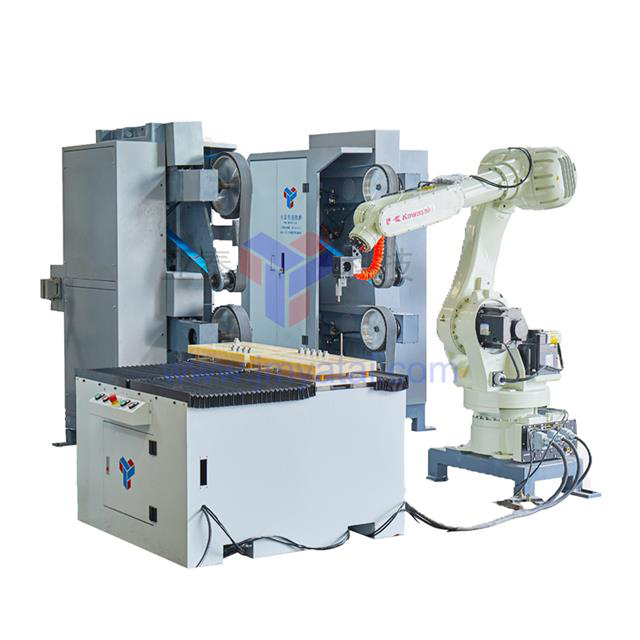
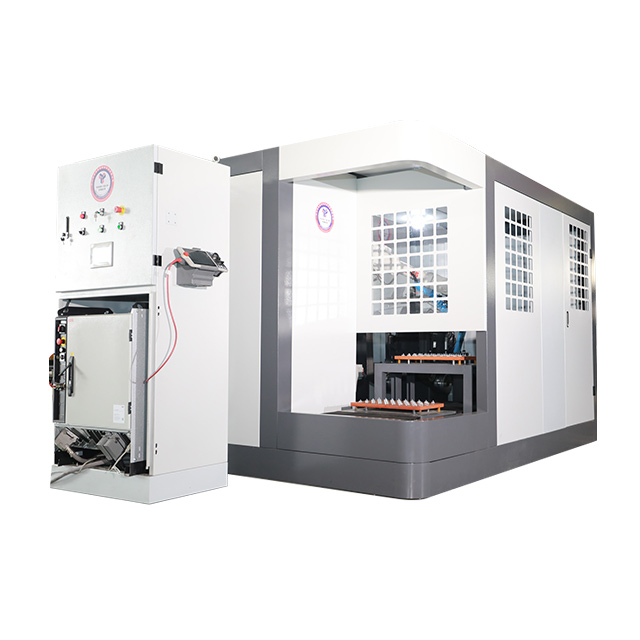
Manual flatware polishing creates a massive operational drain in commercial kitchens. Dish pit staff waste countless hours wiping forks, spoons, and knives by hand during peak service. This repetitive task drives high turnover and inevitably leads to human error, leaving water spots and streaks on guest tables. Skyrocketing labor costs compound the issue. During a Friday night rush, manual wiping creates severe bottlenecks in the dish pit as bus tubs pile up. Physical handling of clean cutlery introduces significant hygiene risks and cross-contamination. Furthermore, handling sharp knives and glassware manually increases the risk of workplace injuries, including cuts and repetitive strain.
High-volume venues require a more efficient approach. Upgrading to a commercial Cutlery Polishing Machine shifts the focus from slow manual wiping to automated drying, burnishing, and UV sanitizing. This equipment eliminates dish pit bottlenecks and ensures pristine tabletop presentation. By automating the process, operators protect their staff, streamline workflow, and maintain strict hygiene standards.
Table of Contents
Toggle
Key Takeaways
Labor Offset & Safety: Automating flatware polishing typically reallocates 1–3 hours of labor per shift while significantly reducing staff injury risks from handling sharp cutlery.
Capacity Matching is Critical: Selecting the right machine requires aligning the unit’s pieces-per-hour (PPH) throughput with your venue's peak service turnover.
Technology Variations: Understand the operational differences between granulate-based rotary polishers (standard restaurant use) and vibratory finishing machines (heavy-duty hotel/catering use).
Brand Reputation & Support: Choosing established industry brands ensures access to replacement parts, organic consumables, and reliable warranty service.
Maintenance Realities: Total cost of ownership must factor in consumable replacements, specifically organic polishing granulate and UV-C sanitizing bulbs.
Why Invest in a Cutlery Polishing Machine?
Eradicating Labor Inefficiencies
Manual polishing moves at a sluggish pace. A skilled worker might process a few pieces per minute, often stopping to inspect for spots or change out damp towels. Automated throughput changes this dynamic entirely. A standard machine processes thousands of pieces hourly without fatigue. Reallocating dish pit staff to higher-value prep or cleaning tasks generates immediate operational relief. Staff spend less time on static, repetitive wiping and more time maintaining kitchen flow. When you remove the bottleneck of hand-polishing, the entire dishwashing cycle speeds up. Racks move through the machine faster, and clean tableware returns to the dining room without delay.
Consider the math of a busy shift. If a dishwasher spends two hours a day polishing silverware, that time adds up to hundreds of hours annually. Redirecting that labor into deep cleaning, prep work, or simply keeping the dish pit organized yields a much higher return on labor spend. Automation turns a tedious, hated task into a simple drop-and-go process.
Standardizing Presentation Quality
Automated machines eliminate hard water stains, calcium deposits, and streaking through continuous friction and heat. Consistent, spotless flatware presentation directly impacts brand perception. Guests notice water spots immediately, often associating them with dirty utensils even if the item just came out of a high-temp dishwasher. Flawless tabletop aesthetics elevate the overall guest experience and signal a commitment to quality.
The mechanics rely on the polishing media absorbing moisture while gently buffing the metal. This removes the mineral deposits left behind by evaporating water. Manual polishing often just smears these minerals around, especially as the polishing towel gets damp. A machine ensures every single fork and knife receives the exact same level of friction and heat, resulting in a uniform, mirror-like finish across your entire inventory.
Mitigating Hygiene and Cross-Contamination Risks
Manual polishing relies on damp, soiled towels. Wiping clean silverware with a used cloth introduces severe sanitation flaws. A towel used to wipe down a hundred forks is no longer sanitary, regardless of how clean the forks were initially. Automated systems utilize integrated UV-C lamps and thermal drying. These components eliminate residual bacteria post-wash. Strict health code compliance becomes a standard operational output rather than a daily struggle.
The internal environment of a quality polisher is hostile to pathogens. The combination of high heat (often exceeding 150 degrees Fahrenheit) and targeted UV-C light ensures that any bacteria surviving the dish machine are eradicated. This provides a measurable, consistent level of sanitation that hand-wiping simply cannot match.
Reducing Workplace Injuries and Liability
Handling sharp knives repeatedly causes kitchen cuts and puncture wounds. Dishwashers moving quickly through a pile of mixed silverware are highly susceptible to grabbing a steak knife by the blade or catching a fork tine under a fingernail. Minimizing manual contact with sharp edges reduces these injuries. Fewer accidents mean fewer liability issues and workers' compensation claims. A safer dish pit improves staff morale and keeps operations running smoothly.
Types of Cutlery Polishing Machines
Granulate/Rotary Polishers
Wet cutlery feeds into a vibrating or rotating tank. This tank contains heated, organic granulate, typically crushed corn cob or wood. The friction absorbs moisture and polishes the metal. This setup is ideal for standard restaurants, bistros, and mid-sized hotels requiring fast turnaround and high shine. They operate relatively quietly and deliver excellent results.
Operators must strictly adhere to granulate replacement schedules to prevent mold, odors, or dust buildup. The organic media breaks down over time, losing its absorbency and becoming saturated with trace amounts of water and minerals. Regular replacement ensures the machine continues to dry and polish effectively without leaving a dusty residue on the flatware.
Vibratory Finishing Machines
These heavy-duty units use ceramic or porcelain media combined with chemical compounds in a vibrating tub. They excel in high-volume banquet halls, large hotels, and catering operations. They clean, burnish, and restore heavily used, scratched, or tarnished cutlery. They are excellent for restoring metal and removing deep scratches.
These machines operate differently than granulate polishers. They are designed for restoration and heavy burnishing rather than just drying and spot removal. They require a larger footprint, higher capital expenditure, and operate at louder volumes. They are typically used periodically to restore inventory rather than as an inline part of the daily dishwashing workflow.
Cutlery Dryers vs. Polishers
Understanding the technical difference matters. Cutlery dryers merely use forced hot air to evaporate moisture. They do not remove existing stains or buff the metal. A trueCutlery Polishing Machineactively uses friction media to polish, de-spot, and burnish the metal surface. If your water has high mineral content, a simple dryer will just bake the water spots onto the silverware.
Complementary Systems: Glassware Polishers
High-volume venues often pair flatware systems with automated glass polishers. Systems like Bar Maid streamline the entire back-of-house workflow. Handling beverage and tableware simultaneously reduces overall dish pit congestion. A dedicated glass polisher uses spinning microfiber brushes and warm air to dry and polish wine glasses and goblets, eliminating another major source of manual labor and breakage.
Core Evaluation Criteria for Decision Makers
Throughput and Capacity (Pieces Per Hour)
Calculating required capacity ensures you do not bottleneck your operation. Multiply your number of seats by the cutlery pieces per cover, then multiply by table turns per hour. Entry-level countertop units handle 2,000 to 3,000 pieces per hour (PPH). Freestanding industrial units process 7,000 to over 10,000 PPH.
Machine Type
Average Capacity (PPH)
Best For
Footprint
Countertop Granulate
2,000 - 3,000
Bistros, Small Restaurants
Compact
Mid-Size Freestanding
4,000 - 6,000
Mid-sized Hotels, Busy Diners
Medium (Wheeled)
Industrial Vibratory
7,000 - 10,000+
Banquet Halls, Catering
Large
Footprint, Ergonomics, and Workflow Integration
Evaluate spatial requirements carefully. Countertop models save floor space, while wheeled freestanding units offer mobility. Consider the ergonomics of loading chutes and output trays. Staff must easily transition flatware from the dishwasher rack directly into the machine while maintaining speed. If the machine is awkward to load, staff will bypass it during a rush.
Measure the available counter space near the clean side of the dish machine.
Ensure adequate clearance above the unit for loading wet cutlery.
Verify that the output chute aligns with standard bus tubs or flatware sorting racks.
Check for accessible power outlets that meet the machine's voltage requirements.
Brand Ecosystem, Warranty, and Technical Support
Select reputable brands like Sammic, Bar Maid, Thomas Doerr, or Inovatec. They offer robust warranty terms and a readily available network of service technicians. Evaluate the availability of replacement parts. Universal heating elements, motors, and drive belts simplify long-term maintenance. A machine is only useful if it can be repaired quickly when it goes down.
Sanitation and Compliance Features
Integrated UV-C sterilization lamps destroy pathogens during the drying cycle. Internal heating elements keep the polishing media dry and sanitary. These features create an environment hostile to bacterial growth, ensuring safe tableware. Always verify that the UV-C bulb is easily accessible for routine replacement, as their germicidal effectiveness diminishes after about a year of use.
Noise Levels and Environmental Impact
Address the decibel (dB) output before installation. Place the unit strategically to ensure machine noise does not disrupt front-of-house operations. Proper placement also prevents violating occupational noise limits in the kitchen. Vibratory machines are significantly louder than rotary granulate models and may require placement in an isolated room.
Return on Investment and Value Influencing Factors
Upfront Capital Expenditure
Commercial units vary based on capacity and build quality. Stainless steel construction outlasts lighter composite materials. Allocate budget based on your peak volume requirements rather than settling for an undersized unit. An undersized unit will break down faster and fail to keep up with a weekend rush, negating the labor savings.
Consumables and Ongoing Maintenance Costs
Organic media requires regular replacement. Corn cob granulate typically lasts 4 to 8 weeks, depending on volume. Factor in the annual replacement of UV-C lamps to maintain sanitation efficacy. Consistent maintenance prevents costly downtime. Keeping spare granulate and a backup UV bulb on hand is standard operational practice.
Energy Consumption
Internal heaters and motors draw continuous electrical power. Analyze this electrical draw to understand its impact on monthly utility overhead. Efficient models balance heat output with energy conservation. Ensure your dish pit has the correct electrical panel capacity to handle the continuous draw of the heating element.
Calculating the ROI Timeline
Use a basic formula to determine your break-even point. Divide the combined cost of the machine and annual consumables by the daily labor hours saved multiplied by the hourly wage. This calculation reveals the exact days to break even. Most high-volume operations see a return on their investment within the first year simply through labor reallocation.
Implementation Risks and Operational Realities
The "Wet, Not Dry" Rule
Staff often feed dry, water-spotted cutlery into the machine. This results in poor polishing performance and prematurely damaged media. Train staff to transfer flatware immediately from the dishwasher to the polisher while still wet and hot. The granulate needs that residual moisture and heat to activate the polishing process effectively.
The Pre-Wash Requirement
Treating the polisher as a washing machine leads to disaster. Food residue contaminates the granulate quickly. Enforce strict protocols ensuring only fully washed, sanitized, and rinsed cutlery enters the polishing stage. If grease or food particles enter the granulate tank, the entire batch of media must be discarded and the machine deep-cleaned.
Granulate Degradation and Odor
Failing to change organic granulate leads to saturated media. This causes dust release, foul odors, and bacterial growth on supposedly clean flatware. Establish a strict, calendar-based preventative maintenance schedule for media replacement and machine vacuuming. Do not wait for the flatware to look cloudy before changing the media.
Material Compatibility
Overly abrasive vibratory media can damage high-end silver-plated flatware or softer metals. Verify media compatibility with the manufacturer. Use specific non-abrasive organic granulate for silver versus standard stainless steel. Mixing metals in a heavy-duty vibratory machine can lead to galvanic corrosion or severe surface scratching.
Conclusion
Automating flatware maintenance shifts back-of-house operations from slow, labor-dependent manual processes into a reliable, streamlined assembly loop. Maximizing this mechanical investment requires a strict commitment to proper implementation protocols, regular media changeovers, and comprehensive team training on loading wet, pre-washed utensils.
As an established pioneer in commercial hospitality automation and high-efficiency finishing solutions, Yatai engineers industrial-grade cutlery polishing machines designed to withstand the rigorous demands of modern, high-throughput foodservice environments. Our turnkey systems combine rapid thermostatic drying, automated organic burnishing, and chemical-free sanitation to assist venues in protecting kitchen staff from repetitive injuries while delivering consistent, pristine tabletop presentations to every single guest.
To advance your kitchen’s efficiency, take the following immediate steps:
Audit your current manual polishing labor hours to establish a baseline for potential financial and operational savings.
Measure your available dish pit footprint and verify electrical panel compatibility before selecting a unit.
Match machine throughput (PPH) to your peak service turnover to prevent operational bottlenecks during busy shifts.
Request operational demos from reputable commercial kitchen equipment dealers to test practical workflow integration.
Establish a strict preventative maintenance calendar for granulate and UV bulb replacement immediately upon equipment installation.
FAQ
Q: How many pieces of flatware can a commercial cutlery polishing machine process per hour?
A: Throughput varies by model. Compact countertop units typically process 2,000 to 3,000 pieces per hour. Larger freestanding industrial models can handle anywhere from 7,000 to over 10,000 pieces per hour, making them suitable for high-volume banquet operations.
Q: How often do I need to change the polishing granulate in the machine?
A: Organic polishing granulate, such as crushed corn cob, usually requires replacement every 4 to 8 weeks. The exact frequency depends heavily on your daily volume and how wet the cutlery is when loaded into the machine.
Q: Do cutlery polishing machines sanitize the flatware as well as dry it?
A: Yes, most modern commercial polishers feature integrated UV-C lamps and internal heating elements. These components work together to destroy pathogens and bacteria, ensuring the flatware is both visually spotless and hygienically sanitized.
Q: Can you put silver-plated cutlery in a standard commercial polisher?
A: You can, but you must use the correct media. Standard abrasive media might scratch softer metals. Always verify compatibility with the manufacturer and use specific, non-abrasive organic granulate designed for silver-plated items.
Q: What is the difference between a cutlery dryer and a cutlery polisher?
A: A cutlery dryer uses forced hot air to evaporate water, which can still leave hard water stains. A polisher uses heated friction media, like granulate, to actively rub the metal, removing water spots and burnishing the surface.
Q: Do I need to wash the cutlery before putting it in the polishing machine?
A: Absolutely. A polishing machine is not a dishwasher. Cutlery must be fully washed, rinsed, and free of all food debris before entering the polisher. Loading dirty flatware will contaminate the granulate and ruin the machine's effectiveness.