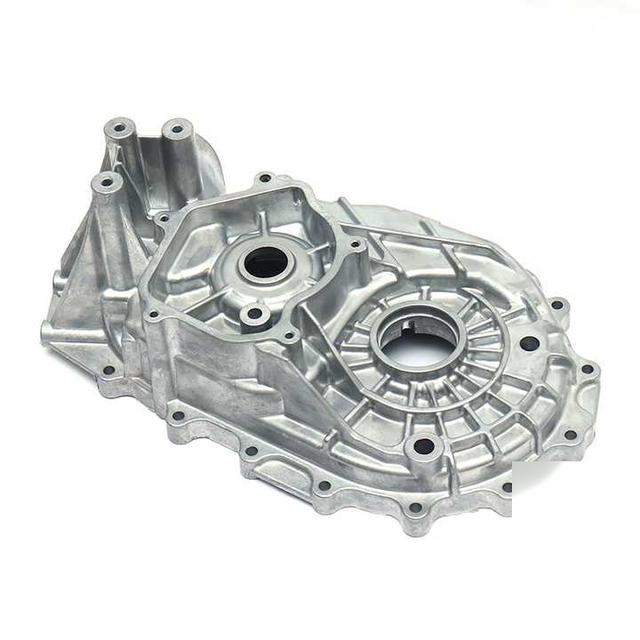
Aluminum deburring requires careful control because excessive material removal can damage edges, scratch surfaces, and affect part dimensions. Aluminum is relatively soft, and friction can cause material to stick to abrasive tools. The right method depends on the alloy, burr size, part geometry, surface finish, and tolerance requirements.
This guide explains how to reduce burrs at the source, select suitable hand tools and abrasives, compare automated deburring methods, and inspect finished aluminum parts without compromising edge quality.
Key Takeaways
Reduce burr formation by optimizing cutting tools, machining parameters, and chip evacuation.
Select abrasives designed for aluminum to reduce loading, smearing, and surface damage.
Control pressure, speed, and contact time to prevent excessive edge rounding and dimensional loss.
Match the deburring method to part geometry, production volume, and tolerance requirements.
Validate the process with sample parts before introducing it into production.
Table of Contents
Toggle
1. Why Is Aluminum Deburring Challenging?
Aluminum is relatively soft and can deform under excessive mechanical pressure. Instead of separating cleanly, a burr may fold over the edge and create an inconsistent edge condition. This is particularly challenging for thin sheet metal, machined components, and parts with tight dimensional tolerances.
Abrasive loading is another common issue. Aluminum can adhere to abrasive grains during grinding or sanding, reducing cutting efficiency. A loaded abrasive may rub rather than cut effectively, increasing friction and leaving smeared material or scratches on the surface.
Aggressive finishing can also change the part geometry. Excessive material removal may round critical edges, create flat spots, or reduce dimensions beyond the specified limits.
The main risks include:
Edge roll: Burrs fold over instead of being removed cleanly.
Surface damage: Loaded abrasives can leave scratches and smeared material.
Dimensional loss: Excessive grinding changes edge profiles or part dimensions.
Inconsistent results: Manual finishing can vary between operators and production batches.
2. Reduce Burr Formation at the Source
The most effective deburring strategy starts by reducing burr formation during cutting and machining. Less burr material generally means shorter finishing cycles and lower rework costs.
Optimize CNC Machining Parameters
Use sharp cutting tools and suitable machining parameters for the specific aluminum alloy. Tool wear, unsuitable feed rates, poor chip evacuation, and built-up material on the cutting edge can increase burr formation.
Climb milling may reduce burrs in some applications, but results depend on the toolpath, workpiece geometry, and cutting conditions. Coolant or lubrication can also help manage friction and material adhesion when appropriate for the process.
Do not rely on one tool geometry or cutting setting for every aluminum component. Test the selected parameters on representative parts and inspect the resulting edges.
Improve Drilling and Hole-Making
Drilling can leave exit burrs, while intersecting holes may produce internal burrs that are difficult to reach with conventional tools.
Select the drilling method based on hole diameter, wall thickness, intersection geometry, and access requirements. Specialized cutters or machining cycles may reduce burr formation in suitable applications. Internal passages may still require a dedicated deburring operation.
For precision components, verify that the chosen method removes burrs without damaging threads, bores, or sealing surfaces.
Optimize Laser Cutting
Laser-cut aluminum sheets may develop dross or small burrs along the cut edge. Cutting speed, focus position, assist gas, material thickness, and equipment condition can all affect the result.
Optimize these variables through controlled sample testing. Inspect both the upper and lower edges because the burr condition may differ across the cut. Avoid assuming that one set of laser parameters will work equally well for every thickness or alloy.
Consider Alternative Cutting Methods
Waterjet cutting is a cold-cutting process and does not create the conventional heat-affected zone associated with thermal cutting. However, edge quality still depends on machine settings, material thickness, and cutting conditions.
A waterjet-cut edge may still require cleaning, deburring, or additional finishing before assembly or anodizing. Compare the complete process cost and finished-part requirements before changing cutting methods.
3. Choose the Right Manual Deburring Tools
Manual tools are useful for prototypes, maintenance work, repairs, and low-volume production. The tool should match the burr location, edge profile, and required finish.
Hand Deburring Blades and Scrapers
Swivel-blade deburring tools and scrapers can remove light burrs from accessible edges. Countersink tools can help finish suitable hole entrances.
Use controlled movements and avoid excessive pressure. Repeated scraping can create uneven chamfers, scratches, or oversized edges. For threaded holes and precision bores, verify that the process does not change the functional dimensions.
Aluminum-Specific Abrasives
Aluminum-specific abrasive products may reduce loading and improve cutting consistency. Depending on the application, options include non-loading flap discs, abrasive fiber wheels, and suitable mounted abrasives.
Cotton-fiber mounted points may provide a more compliant contact than rigid grinding stones in selected applications. However, the correct abrasive depends on the burr size, surface finish, tool speed, and required material removal.
Before production, test the abrasive on sample parts. Adjust pressure, speed, and contact time to minimize heat, smearing, and excessive edge rounding.
Abrasive Brushes and Fiber Wheels
Abrasive brushes and non-woven fiber wheels can help remove light burrs and blend edges. Their flexibility may help them follow contours more closely than rigid tools.
Choose the abrasive grade and brush construction according to the part geometry and finish requirement. Check whether the process affects nearby surfaces or removes more material than allowed.
4. Select an Automated Aluminum Deburring Method
Automated deburring is worth evaluating when production volume increases or manual finishing produces inconsistent results. The right equipment depends on the component shape, burr location, and required edge condition.
Sheet Metal Deburring Machines
Belt finishing machines and brush systems can process flat aluminum components in repeatable cycles. They are often considered for laser-cut or punched sheet metal.
To protect thin parts, control contact pressure, abrasive selection, feed rate, and the number of finishing passes. Brush systems may help round edges, while belt systems may suit other surface-finishing requirements. Neither method should be assumed to preserve dimensions without testing.
Define an acceptable edge condition before selecting the equipment. Then process sample parts and measure edge quality, flatness, surface finish, and dimensional changes.
Vibratory and Mass Finishing
Vibratory finishing can process multiple small components in one batch. The result depends on media type, part shape, cycle time, and the interaction between parts and media.
Choose media that can reach the required areas without lodging in holes or damaging delicate features. Check for part-to-part contact, surface marking, and dimensional changes. Mass finishing may not suit components with fragile edges, tight internal features, or strict cosmetic requirements.
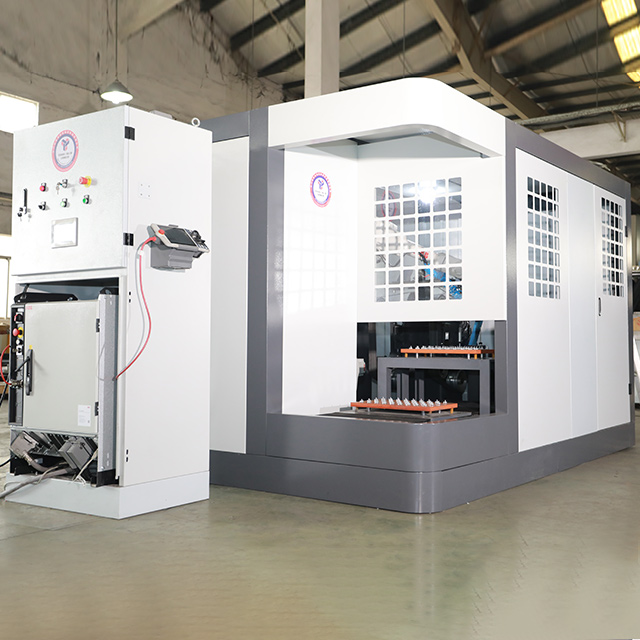
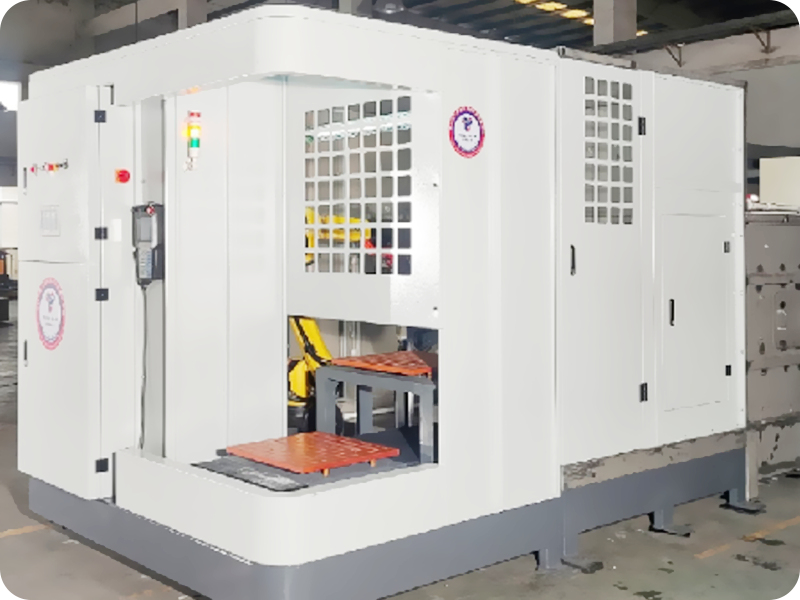
Robotic Deburring Cells
Robotic systems can help maintain repeatable tool paths and finishing pressure on complex three-dimensional parts. They are worth considering for recurring production work where manual operations are difficult to standardize.
When evaluating a robotic cell, consider tool compliance, fixture design, robot reach, abrasive wear, cycle time, and the required edge profile. Run representative samples before finalizing the process.
Electrochemical deburring can remove selected burrs from accessible conductive areas using a controlled electrochemical process. It may be suitable for specific internal intersections where mechanical tools have limited access. Tooling, material compatibility, and process control must be evaluated carefully.
Thermal energy method (TEM) uses controlled combustion to remove small burrs from suitable components. It requires specialized equipment and strict safety controls. Part geometry, material compatibility, and the risk of affecting sensitive features must be assessed before use.
These methods are specialized options rather than universal replacements for mechanical deburring.
5. Compare Methods by Part Geometry and Production Needs
Part type or requirement
Method to evaluate
Main consideration
Prototype or low-volume parts
Hand deburring tools
Low setup cost and operator control
Flat laser-cut sheet metal
Belt finishing or brush systems
Edge consistency and dimensional stability
Small parts processed in batches
Vibratory finishing
Media selection and part-to-part contact
Complex 3D components
Robotic deburring cell
Tool access, fixturing, and repeatability
Selected internal intersections
Electrochemical deburring
Geometry, tooling, and material compatibility
Production volume is only one factor. Also consider the initial equipment cost, labor, cycle time, abrasive consumption, rework rate, and inspection requirements.
For automated equipment, request sample processing using actual production parts. Compare the finished edges against the drawing requirements before investing in a system.
6. Establish Quality Control and Safety Procedures
Define Acceptance Criteria
Set measurable requirements for burr size, edge radius, surface finish, and critical dimensions. The required edge break should come from the engineering drawing or product specification rather than a general rule.
Use visual inspection for obvious defects and suitable measuring equipment for dimensional verification. Optical inspection, profilometry, or other methods may be appropriate depending on the tolerance and surface requirement. A cotton-swab check can serve as a preliminary screen for sharp burrs, but it does not replace dimensional inspection.
Prevent Cross-Contamination
Keep abrasives and brushes used on steel separate from those used on aluminum when cross-contamination could affect corrosion resistance, appearance, or downstream finishing. Clear tool identification and storage procedures can help reduce the risk of transferring unwanted particles.
Manage Aluminum Dust Safely
Fine aluminum dust can present serious fire and explosion hazards. Evaluate dust generation, collection equipment, ignition sources, and housekeeping procedures before selecting a finishing process.
Do not assume that a wet or dry collection system is automatically suitable for every application. The collection method must be designed for the specific combustible metal dust and comply with applicable safety requirements. Consult qualified safety professionals and the relevant local standards when designing or modifying dust collection systems.
Conclusion
To deburr aluminum parts without damaging edges, begin by reducing burr formation and selecting tools that match the material and part geometry. Control pressure, speed, and contact time, then verify the result against defined edge and dimensional requirements.
Manual tools may suit prototypes and small batches, while automated machines and robotic cells can improve repeatability for suitable production applications. Before adopting a new process, test representative parts and compare quality, cycle time, consumable costs, and safety requirements.
Explore Yatai's metal finishing equipment to review available deburring, grinding, sanding, and polishing solutions.
FAQ
1. What is the best way to deburr aluminum without damaging edges?
Start with a tool or abrasive suited to the burr size and part geometry. Use controlled pressure and contact time, then inspect the edge and critical dimensions. The best method depends on the alloy, finish, and tolerance requirements.
2. How can you prevent aluminum from clogging abrasives?
Use abrasives designed for aluminum where appropriate, and check the tool for material buildup during operation. Adjust speed, pressure, and lubrication according to the tool manufacturer's guidance and the actual finishing results.
3. Are automated deburring machines suitable for aluminum sheet metal?
They can be suitable for recurring production of flat parts. Belt finishing machines and brush systems should be tested against the required edge condition, surface finish, and dimensional tolerance before production use.
4. Can vibratory finishing remove burrs from aluminum parts?
Yes, for suitable components and burr conditions. Media selection, cycle time, part geometry, and part-to-part contact must be evaluated to avoid surface damage or dimensional changes.
5. What should manufacturers check after deburring aluminum parts?
Inspect burr removal, edge condition, surface finish, and critical dimensions. Also verify that the process does not damage threads, bores, sealing surfaces, or other functional features.